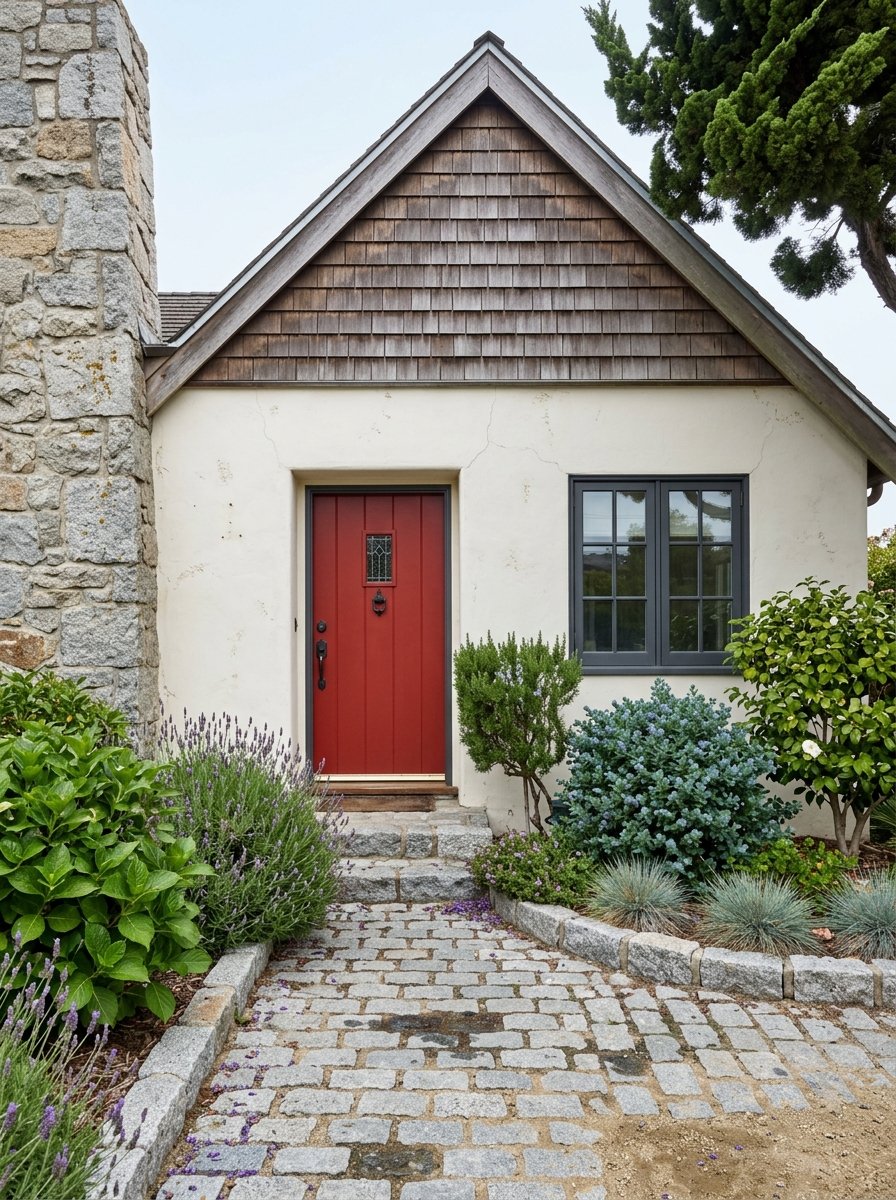
Ever wonder what Carmel-by-the-Sea feels like when you are not visiting for a weekend, but actually living there? For many people, Carmel carries a dreamy reputation, yet daily life here is grounded in simple rhythms: walking to town, checking the beach, picking up something fresh at the market, and knowing the character of each pocket of the village. If you are considering a move, a second home, or simply want to understand the lifestyle behind the real estate, this guide will show you how locals really experience Carmel. Let’s dive in.
Why Carmel Feels Different
Carmel-by-the-Sea is an incorporated city of about one square mile on the Monterey Peninsula, and that small scale shapes nearly everything about daily life. The city’s General Plan places a strong emphasis on preserving Carmel’s residential character, which helps explain why the town feels personal, quiet, and rooted in place.
This is also a community where daily living and destination-worthy amenities sit close together. Shops, galleries, restaurants, tasting rooms, beach access, and cultural venues are clustered within walking distance, so Carmel often feels like a lifestyle community first and a housing market second.
A Walk-First Daily Routine
One of the most distinctive parts of local life is how village-like navigation feels. Carmel has no conventional street addresses, and many homes are identified by cross streets or house names, which gives the town a more intimate, small-scale rhythm than a typical suburban grid.
That layout naturally supports a walk-first routine. Instead of planning your day around long drives, you may find yourself walking to grab coffee, run an errand, stop into a gallery, or head toward the beach for fresh air.
For many residents, that is the true luxury of Carmel. Life can feel more connected, less rushed, and more centered on the immediate surroundings.
Beach Time Is Part of the Day
Carmel Beach routines
Carmel Beach is not just a scenic backdrop. It is one of the defining parts of everyday life in town. City coastal-resource materials describe it as about one mile long and roughly 22 acres, with a focus on public access and enjoyment.
The beach is open for walking, running, swimming, and surfing, which makes it an easy anchor for a morning or late-afternoon routine. It is also a place where locals often return more than once in a day, whether for exercise, a quick reset, or sunset.
If you spend time there regularly, it helps to know a few practical points. The city notes that there is no lifeguard service, and dogs may be off-leash on Carmel Beach if they remain under voice control.
Mission Trail as a second outing
For another nearby outdoor option, Mission Trail Nature Preserve adds a very different pace. The preserve spans 34 acres and offers about three miles of trails, native plant gardens, and passive recreation.
It is a useful reminder that Carmel’s lifestyle is not only coastal. You also have wooded, quieter spaces that support dog walking, short hikes, and everyday outdoor time without leaving town.
Local Rhythm Beyond the Beach
Farmers’ Market Thursdays
Weekly routines in Carmel often revolve around recurring local gathering points. One of the clearest examples is the Carmel-by-the-Sea Farmers’ Market, held on Thursdays from 10 a.m. to 2 p.m. at Mission Street and 6th Avenue.
That kind of standing event adds structure to the week. It is not only a place to shop, but also part of the social rhythm that makes a small town feel lived in rather than simply visited.
Arts and performance culture
Carmel’s cultural identity is not marketing language. It is deeply built into the city’s history. The Carmel Bach Festival began in 1935 with the goal of making Carmel an epicenter of world-class music, art, and cultural expression.
Today, Sunset Center continues to serve as a major performing arts venue and community hub. Local archives and history programs also show how art, music, and civic memory remain central to the town’s identity.
For residents, that means culture is not reserved for special occasions. It is woven into the feel of the place year-round.
Micro-Areas That Shape Daily Life
Carmel may be small, but it is not one-note. Different parts of town offer different versions of the local experience.
Village core and Ocean Avenue
Ocean Avenue is the historic commercial heart of Carmel. City historic materials show that as early as 1910, hotels, shops, a library, and other services were already clustered along this downtown spine.
Today, the village core still anchors daily convenience and leisure. If you want a day that includes dining, galleries, tasting rooms, and cultural stops without leaving the center of town, this is the area that captures that walkable Carmel lifestyle most clearly.
Eighty Acres
The Eighty Acres, also known as Addition #5, is one of Carmel’s earliest tracts. It is generally bounded by Forest Road, 11th and 12th Avenues, Junipero Avenue, and Ocean Avenue.
This area matters because it helps explain the older residential grain of Carmel. City materials also connect it to the Forest Theater, long described as a gathering place for artists, writers, and Carmel residents.
Carmel Point
Carmel Point is one of the areas where coastal access and residential life blend most visibly. City materials describe a trail connection linking Rio Park, Carmel Point, and the beach, which helps show how daily outdoor movement is built into this part of town.
If you are drawn to the south end of Carmel, this pocket offers a strong sense of connection between home life and the shoreline.
Hatton Fields
Hatton Fields offers a more inland, hillside setting. City materials describe the area as having rolling terrain, mature oaks, redwoods, and Monterey pines, along with views toward Carmel Valley, the Santa Lucia Mountains, Carmel Bay, and the Pacific Ocean.
Its proximity to Mission Trail Nature Preserve also shapes the lifestyle here. This part of Carmel helps illustrate how the town includes not only village-center living, but also wooded residential settings with a different pace and feel.
Carmel Woods
Carmel Woods was opened for development in the 1920s, according to city historic-context materials. The area is also tied to Carmel’s long-standing arts-and-forest identity through local-history archives.
For buyers, it is a useful example of how Carmel’s residential story continued to evolve while still staying connected to the town’s broader sense of place.
Architecture Tells the Story
Small-scale homes
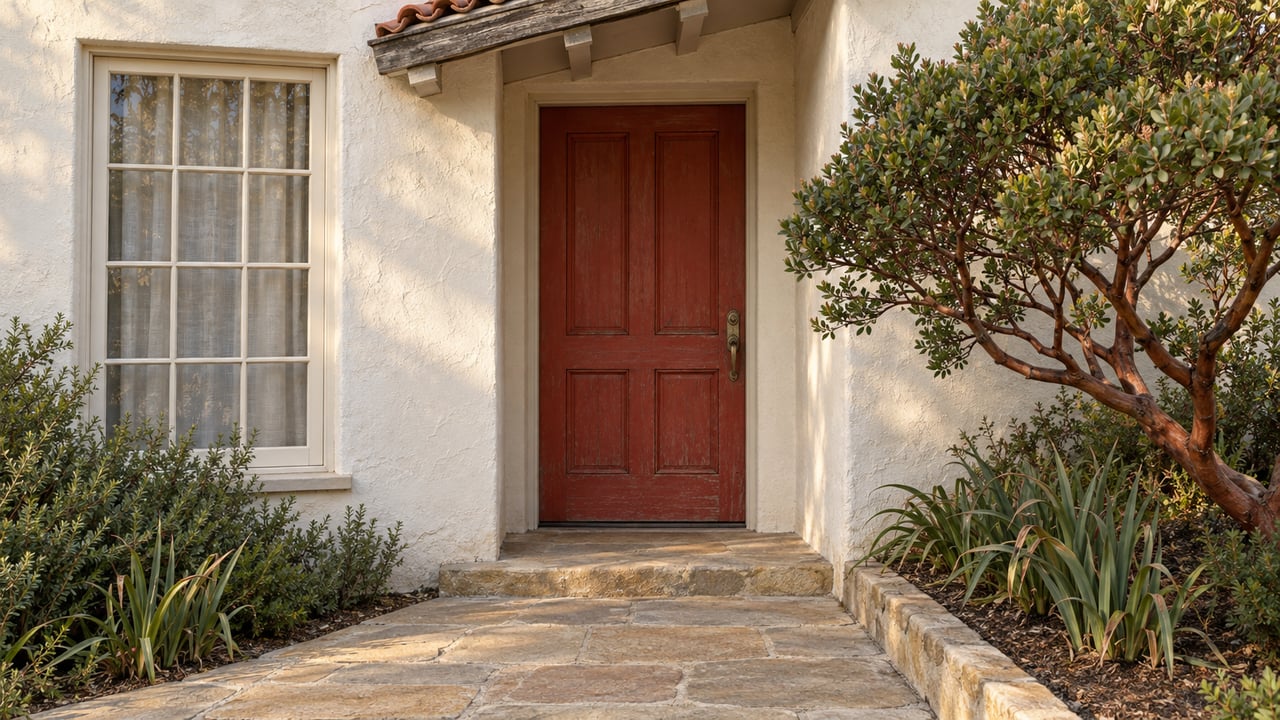
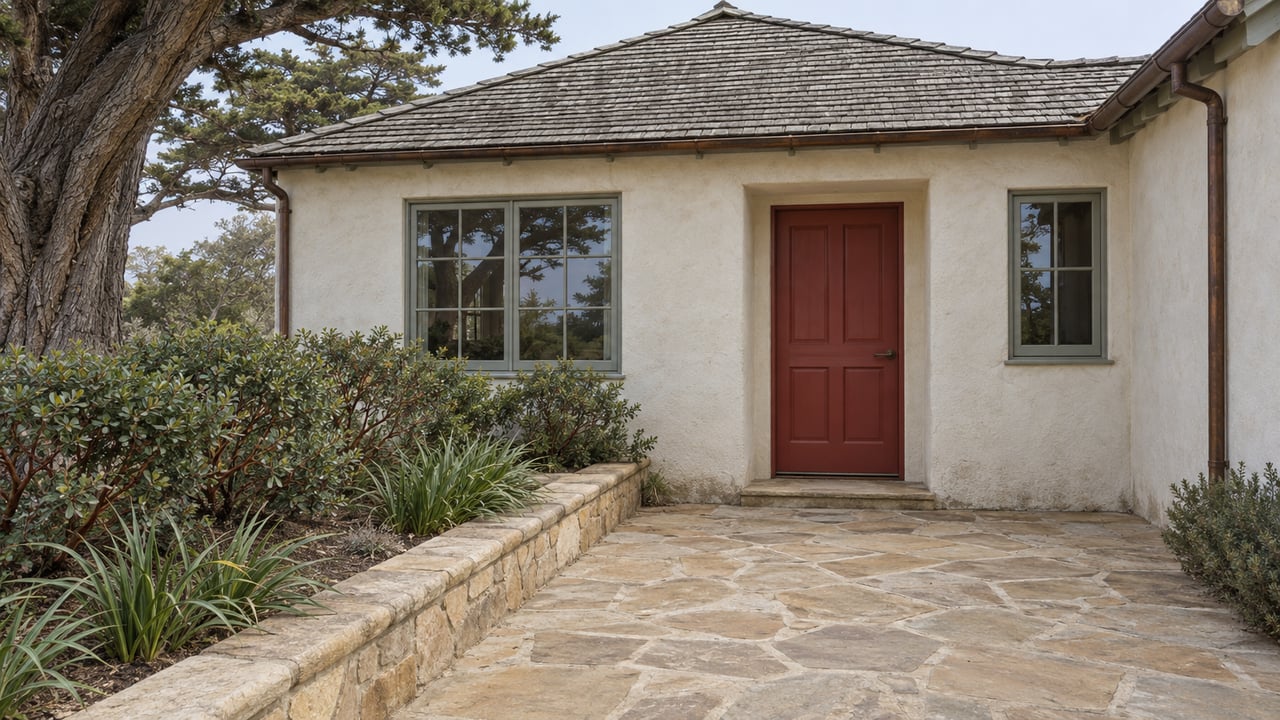
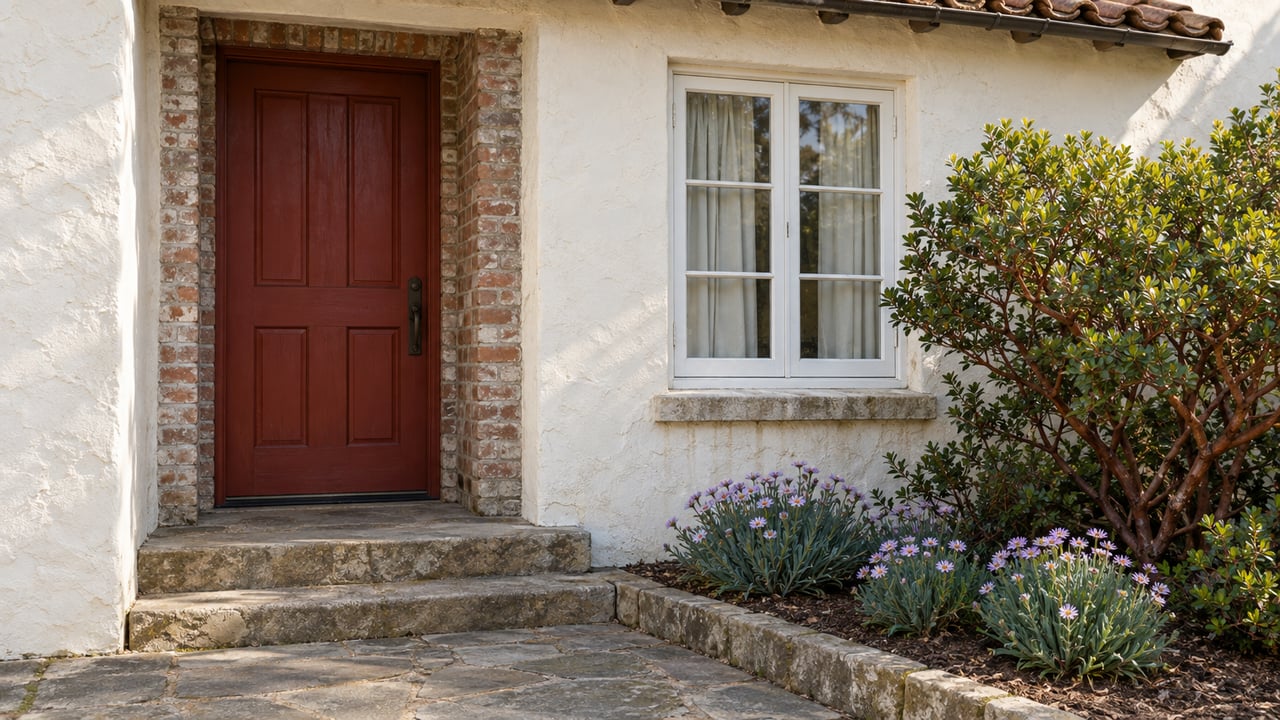
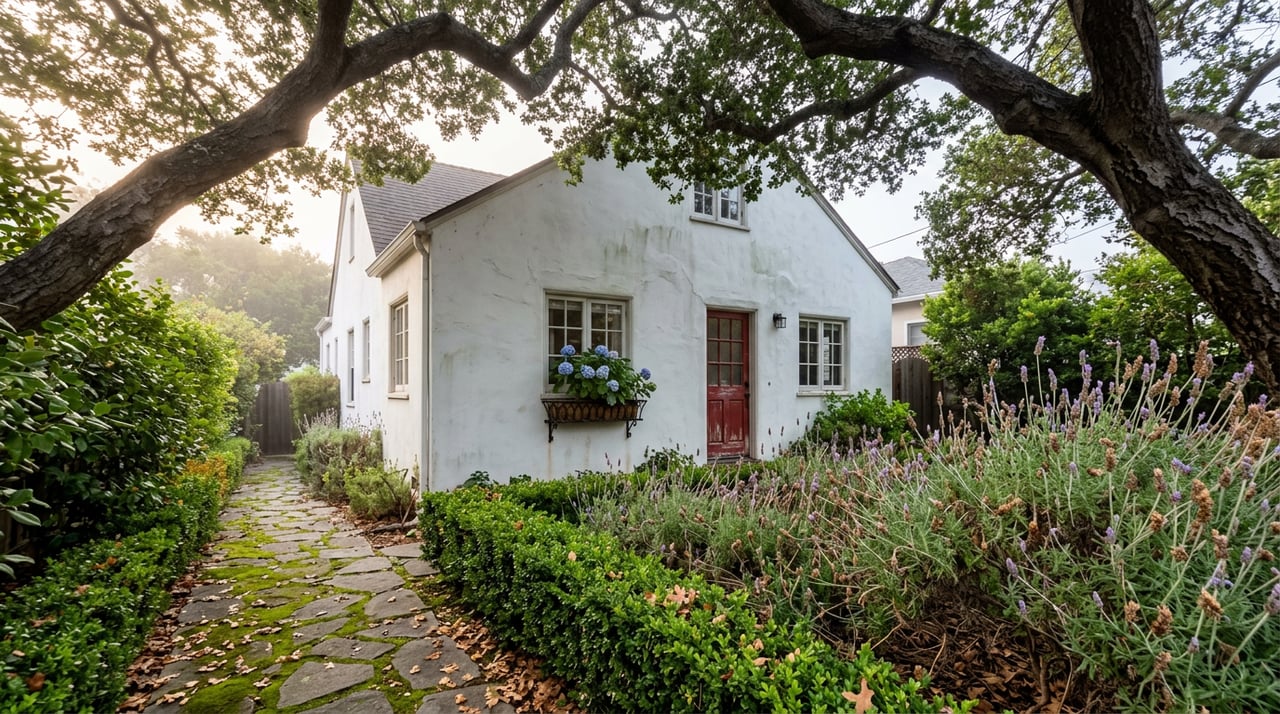
Carmel’s residential design guidelines show that historically many homes were no larger than one or one-and-a-half stories. Early Carmel Vernacular cottages were often wood-framed, wood-clad, and minimally ornamented, with simple plans and details like diamond-pane windows.
That history matters because it still shapes how the town feels today. The built environment often feels handcrafted, compact, and intentionally secondary to the landscape.
Arts and Crafts influence
Carmel’s historic-context statement describes Arts and Crafts buildings as low, horizontal forms with low-pitched roofs, wide eaves, exposed supports, wood cladding, and horizontal bands of windows. Many also feature Carmel-stone or river-rock chimneys.
Even when homes vary in age or style, these shared design cues create a strong visual rhythm. That consistency is part of why many streets in Carmel feel coherent without feeling uniform.
Storybook and revival styles
Carmel is also known for its more romantic architectural character. City materials note that M.J. Murphy designed and built more than 300 Carmel buildings, ranging from simple redwood cottages to Tudor, Spanish, and Mediterranean Revival homes.
Other city sources point to Hugh Comstock’s role in developing the fairy-tale style associated with Carmel, and design guidelines note that the town became known for storybook cottages by the 1930s. Together, these layers give Carmel an unusually rich housing identity for such a compact city.
A Village in a Forest by the Sea
Carmel’s tree canopy is not incidental. The city’s Forest Management Plan describes Carmel as a village in a forest by the sea and highlights Monterey pine, coast live oak, and cypress as defining species.
That canopy shapes more than curb appeal. It affects neighborhood character, the sense of privacy, the quality of light, and the town’s long-term stewardship priorities.
For anyone considering a purchase here, it is a reminder that Carmel’s appeal is as much environmental as architectural. The setting is part of the value.
Practical Details Locals Learn Quickly
House history matters
In Carmel, property identity often runs deeper than square footage or finish selections. The Local History Department preserves photographs, books, letters, maps, property files, city directories, and house-history resources.
That tells you something important about ownership here. House naming, architectural provenance, and property history are woven into the local culture in a way that feels unusually personal.
Parking and timing matter too
Even in a town built for walking, logistics still shape the day. The city’s street-sweeping schedule starts early, with downtown sweeping on Monday and Thursday at 5:30 a.m. and residential areas on Tuesday, Wednesday, and every other Friday starting at 7 a.m.
The city also manages beach parking and residential parking rules near Carmel Beach and Scenic Road. In other words, local life may feel effortless, but it still runs on practical habits and timing.
Why Lifestyle Leads the Conversation
Carmel-by-the-Sea stands out because its scale, preservation ethic, beach access, wooded residential areas, and arts culture all work together. You are not just choosing a home here. You are choosing a daily pattern shaped by short walks, public coastal access, layered architecture, and a town identity that has held together over time.
That is why Carmel tends to resonate so strongly with second-home buyers, relocation clients, and long-time Peninsula residents alike. The appeal is not only what you own, but how you live once you are here.
If you are exploring Carmel-by-the-Sea as your next move, local guidance matters. From understanding the feel of each micro-area to recognizing how lifestyle and property value connect, working with someone who knows the Peninsula block by block can make all the difference. When you are ready to talk through Carmel living, home options, or your next sale, connect with Susan Clark.
FAQs
What is daily life like in Carmel-by-the-Sea?
- Daily life in Carmel-by-the-Sea often centers on walking, beach time, local shops and restaurants, cultural events, and small-scale routines shaped by the town’s one-square-mile layout.
What makes Carmel-by-the-Sea feel so walkable?
- Carmel feels walkable because its shops, galleries, restaurants, tasting rooms, cultural venues, and beach access are clustered within a compact village setting.
What outdoor spaces do Carmel-by-the-Sea locals use most?
- Carmel Beach and Mission Trail Nature Preserve are two of the most defining outdoor spaces, offering room for walking, running, swimming, surfing, hiking, and dog walking.
What are the main residential areas in Carmel-by-the-Sea?
- Key micro-areas include the village core around Ocean Avenue, the Eighty Acres, Carmel Point, Hatton Fields, and Carmel Woods, each with a distinct setting and daily rhythm.
What architectural styles are common in Carmel-by-the-Sea?
- Carmel features small-scale vernacular cottages, Arts and Crafts homes, storybook cottages, and Tudor, Spanish, and Mediterranean Revival styles, all contributing to its layered visual identity.
Why do buyers see Carmel-by-the-Sea as a lifestyle market?
- Buyers often view Carmel as a lifestyle market because of its preserved residential character, walkable scale, beach access, forested setting, and long-standing arts and culture scene.