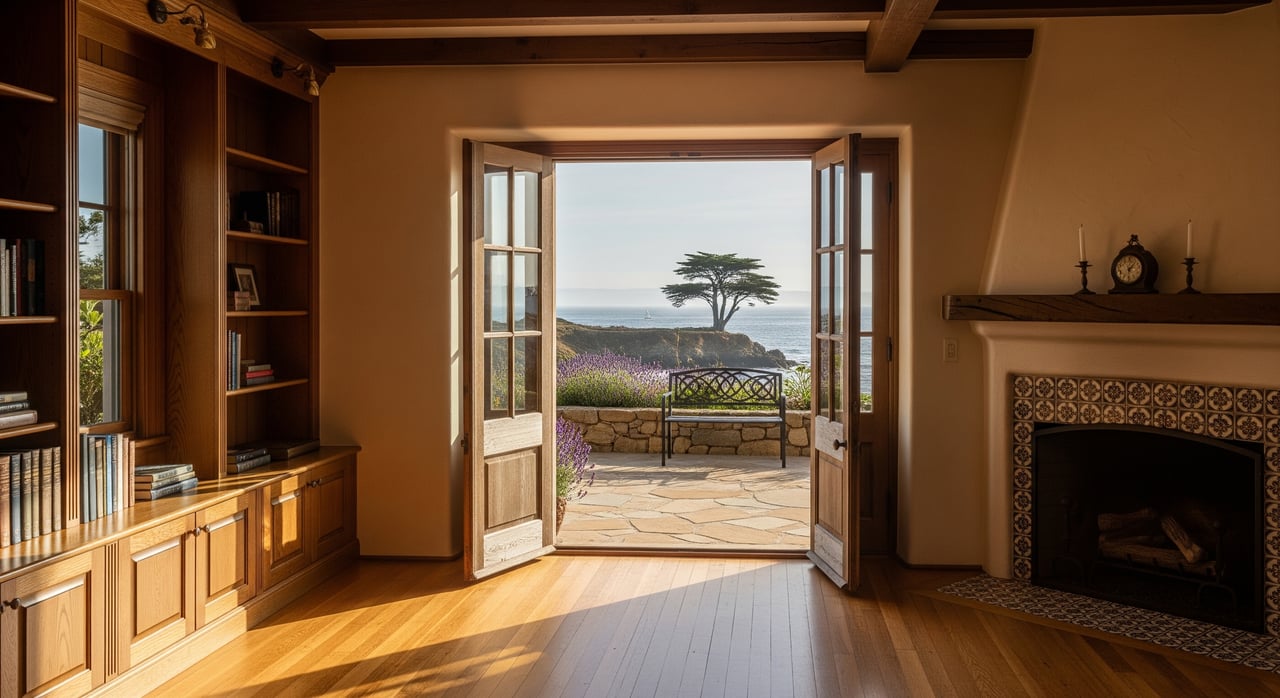
Salt air on your morning walk, café lights on Alvarado Street at dusk, and history around every corner — that is daily life in Monterey’s historic core. If you love walkable streets, a working waterfront, and a rich cultural calendar, you will feel at home here. In this guide, you will learn how the neighborhoods feel, what you can do without getting in the car, and which home styles match the lifestyle you want. Let’s dive in.
Historic Monterey at a glance
Monterey sits at the heart of the Peninsula, with Old Monterey, Cannery Row, Fisherman’s Wharf and the downtown waterfront anchoring ZIP 93940. The area blends early California history with a lively seaside scene. You will see landmarks in and around Monterey State Historic Park, plus a walkable downtown framed by preserved 19th‑century buildings.
The city has a cool-summer Mediterranean climate. Expect mild winters, cool summers and coastal fog, especially in late spring and summer. The weather is comfortable for year‑round outdoor time, but a light layer helps on breezy days.
Local life is shaped by major institutions and employers. The Monterey Bay Aquarium anchors the waterfront and cultural scene. The Naval Postgraduate School and Defense Language Institute add an education and military presence. Tourism supports a strong hospitality economy.
Where you’ll spend your days
Old Monterey mornings
Start on a quiet side street lined with Victorian cottages and Monterey Colonial facades. Grab coffee near Alvarado Street, then stroll through adobe courtyards and pocket gardens in and around the historic park. Many daily errands are a short walk, and residential blocks feel compact and neighborly.
Waterfront routine on Cannery Row
If you live near Cannery Row or Fisherman’s Wharf, the water sets your rhythm. The shoreline path, wharf views and sea life sightings become part of your normal day. Residents often step out for a quick bike ride, a kayak session, or a visit to the aquarium. The area is lively, especially on weekends and during peak travel seasons.
Evenings and culture
Dining leans toward seafood and farm‑to‑table menus, with tourist‑oriented restaurants on the waterfront and independent cafés sprinkled through Old Monterey. Cultural life includes the Monterey Jazz Festival, the Monterey Museum of Art and regular community events. The Visit Monterey site is a helpful calendar and planning resource.
Weather and walkability
You can live a full day on foot here. Downtown blocks are short, sidewalks are active and the waterfront has nearly continuous public access. The Monterey Bay Coastal Recreation Trail runs along the shoreline and connects to Pacific Grove. On foggy mornings and breezy afternoons, light layers and windproof jackets make walks comfortable.
The tradeoff for walkability is seasonal activity. Expect more foot traffic, delivery trucks and event energy during high season. Evenings and weekdays outside major events are much quieter.
Housing styles and lifestyle fit
Historic Monterey offers a range of homes that match different routines. Think about how you want to use your time, then find the home type that fits.
Waterfront and walkable condos
- Where: Cannery Row, Fisherman’s Wharf, downtown pockets near the bay.
- What you’ll see: Condos, lofts and apartments, including homes in converted historic commercial buildings.
- Why it works: You are steps to restaurants, the aquarium and the shoreline. Lock‑and‑leave convenience suits busy professionals and second‑home owners.
- Tradeoffs: Smaller floor plans, possible HOA fees and tourist activity outside your door.
Historic cottage living
- Where: Old Monterey and the Colton Hall area.
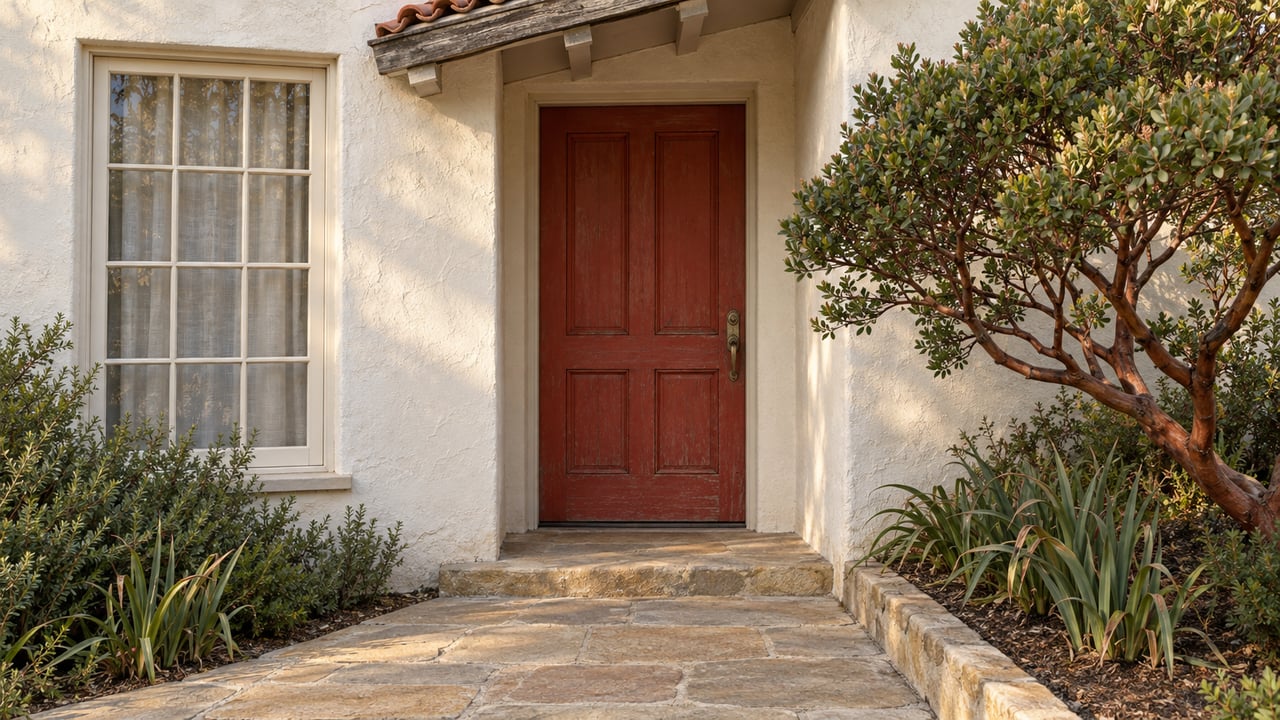
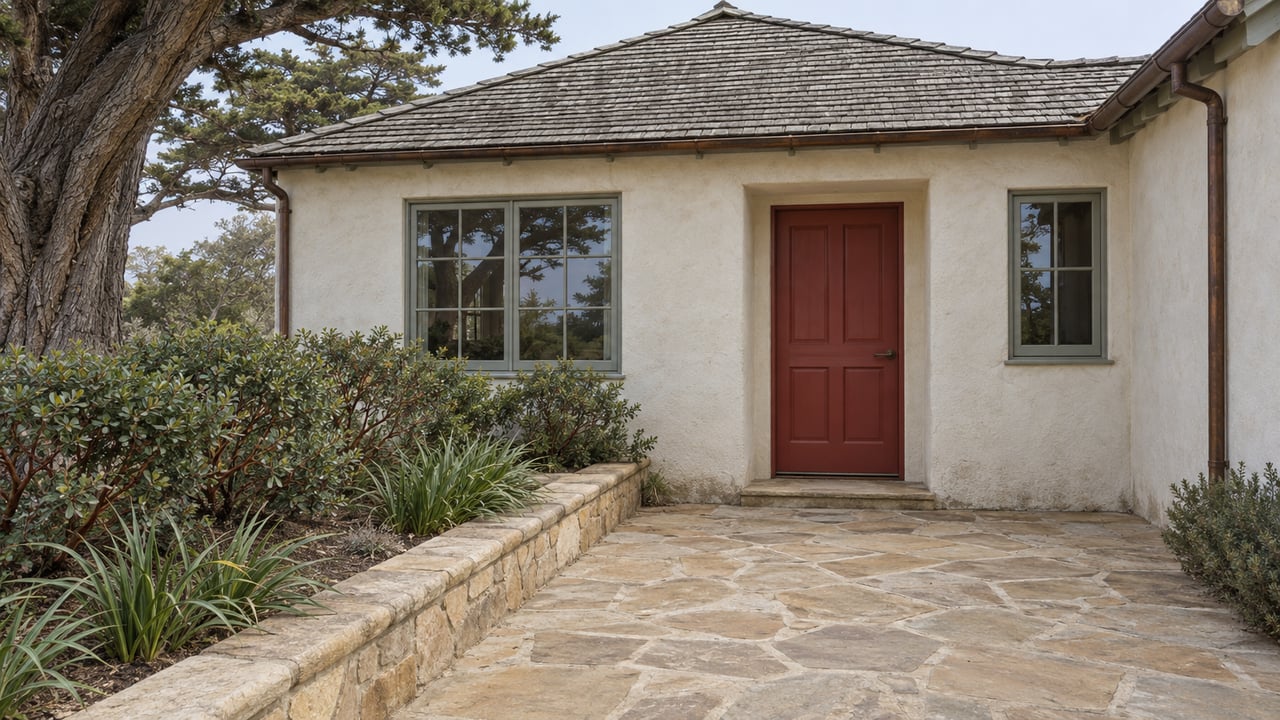
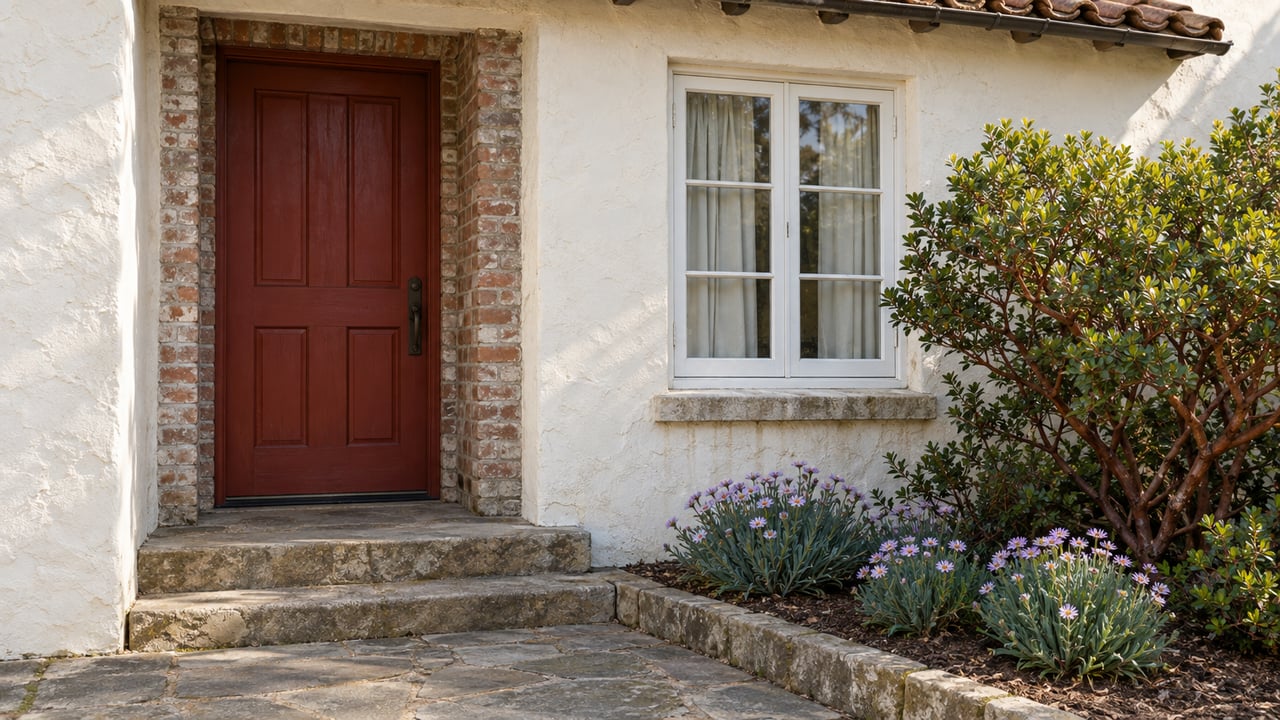
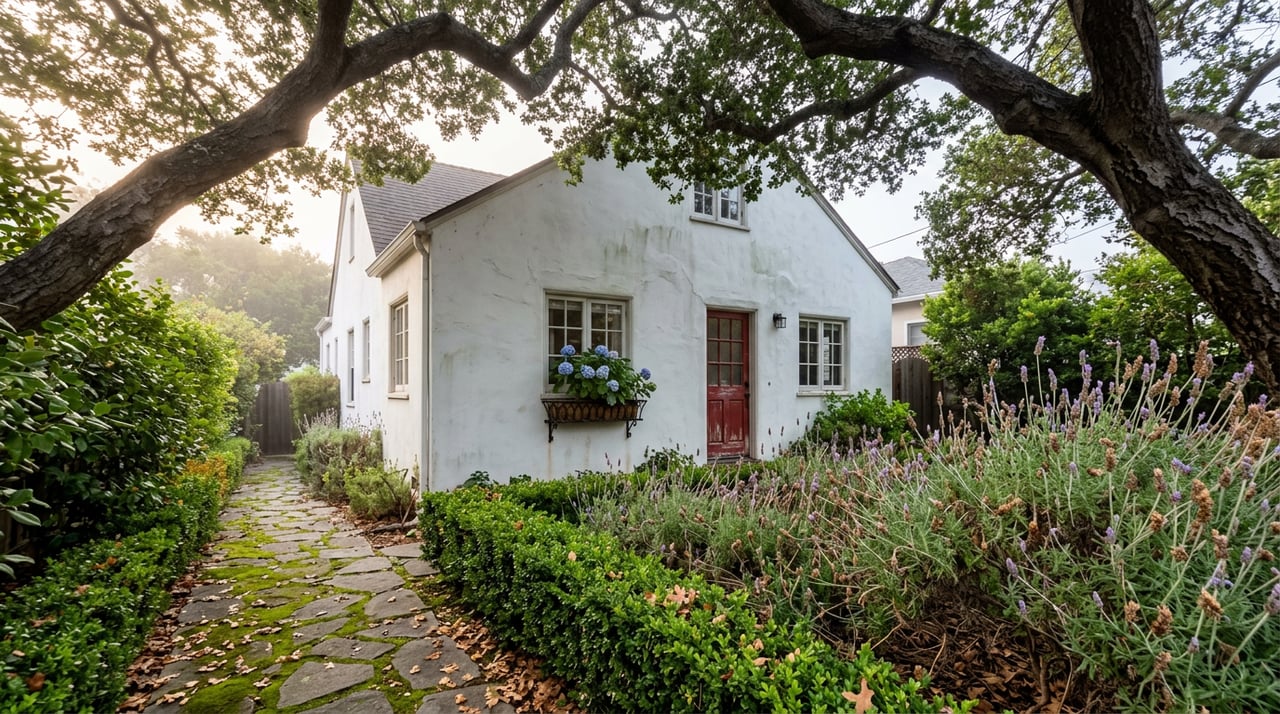
- What you’ll see: 19th‑century cottages and rowhouses, Monterey Colonial details, Victorian and Spanish Revival styles.
- Why it works: Charm, porches, walkable streets and a strong sense of place.
- Tradeoffs: Smaller lots and older systems. Renovations often require exterior design review in historic zones.
Quieter residential pockets
- Where: Less tourist‑oriented areas within city limits.
- What you’ll see: Mid‑century homes and larger single‑family properties.
- Why it works: More interior space and yard area, quieter evenings.
- Tradeoffs: A short drive to the waterfront and downtown.
Second‑home considerations
Many buyers use their Monterey home seasonally. Lock‑and‑leave condos and turnkey cottages near attractions are popular. Short‑term rental rules and transient occupancy taxes are regulated, and rules can change. Review the City’s current policies through the City of Monterey Planning Department before relying on income projections.
Practical day-to-day details
Getting around without a car
For daily life in the core, walking and biking are easy. For regional errands or commutes, Monterey‑Salinas Transit provides local and regional bus routes. When you need to fly, Monterey Regional Airport offers commercial service with a short, low‑stress drive from downtown.
Groceries and everyday errands
You will find small neighborhood markets, cafés and services close to Old Monterey and the waterfront. Larger grocery runs are a short drive. On weekends, the farmers market and local purveyors support a fresh, farm‑to‑table routine.
Schools and lifelong learning
Monterey is served by the Monterey Peninsula Unified School District. Families should check school boundaries and program options directly with the district. Higher‑education institutions and the military’s academic presence add to the community’s learning environment.
Noise, crowds and parking
Tourist seasons and major events bring more people to Cannery Row, Old Monterey and the wharves. Expect more ambient noise and tighter parking near attractions during peak times. Many residents adapt with off‑peak dining, garage parking or walking to avoid congestion.
Owning and renovating in a historic district
The historic setting is a major part of Monterey’s appeal. It also means your exterior changes may be subject to design review if your home is in a designated district or is a landmark. The City provides guidelines and approval processes to preserve the streetscape and architectural character.
If you plan to update a cottage, expect that interior improvements are usually feasible, while exterior massing, materials, windows and porches may have constraints. Start early, and coordinate your plan with the City’s resources.
What to expect from permits
- Confirm whether your property sits in a historic district or has landmark status. The California Office of Historic Preservation and the City’s planning pages are good starting points.
- Discuss your scope with City staff. The City of Monterey Planning Department outlines design review, permit steps and timelines.
- Budget time and resources for approvals, and include contingency for building system upgrades like electrical, plumbing or seismic work.
Is historic Monterey right for you?
Choose historic Monterey if you value everyday closeness to the bay, a walkable routine, and living history outside your door. You will trade some space and seasonal quiet for charm, access and a strong sense of place. If you prefer more room and calmer evenings, explore nearby residential pockets within the city, then spend your weekends on the waterfront.
If you are weighing a full‑time move or a second home, thoughtful guidance makes all the difference. For boutique, high‑touch help tailored to your lifestyle, connect with Susan Clark. She combines deep local knowledge with elevated marketing to help you find the right fit and protect your long‑term value.
FAQs
What is the weather like year‑round in historic Monterey?
- Monterey has a cool‑summer Mediterranean climate with mild winters, cool summers and regular coastal fog. Light layers make waterfront walks comfortable through all seasons.
How walkable are Old Monterey and Cannery Row for daily life?
- The downtown and waterfront areas are highly walkable, with short blocks, dense dining and shopping, and easy shoreline access. Many errands can be done on foot or by bike.
Which homes fit a lock‑and‑leave lifestyle near the waterfront?
- Condos, lofts and apartments in Cannery Row, Fisherman’s Wharf and downtown offer easy maintenance and proximity to restaurants, the aquarium and the coastal trail.
What should I know before renovating a historic cottage?
- Exterior changes in historic districts often require design review and permits. Plan for guidelines on materials and massing, and budget time for approvals and system upgrades.
Are short‑term rentals allowed in Monterey’s historic areas?
- Rules and taxes for short‑term rentals are regulated. Confirm current requirements through the City of Monterey Planning Department before making income plans.
What are my transportation options if I prefer not to drive?
- Walking and biking work well in the core. For broader trips, use Monterey‑Salinas Transit for local and regional routes, and fly from Monterey Regional Airport when needed.