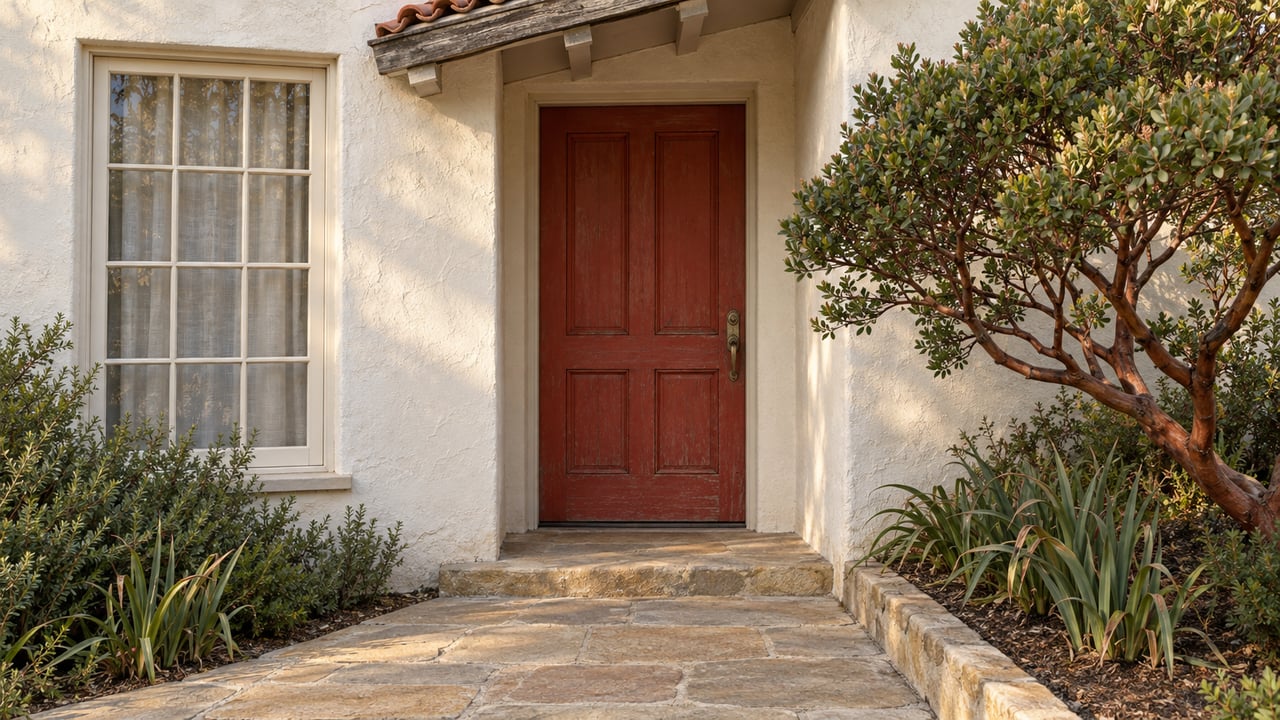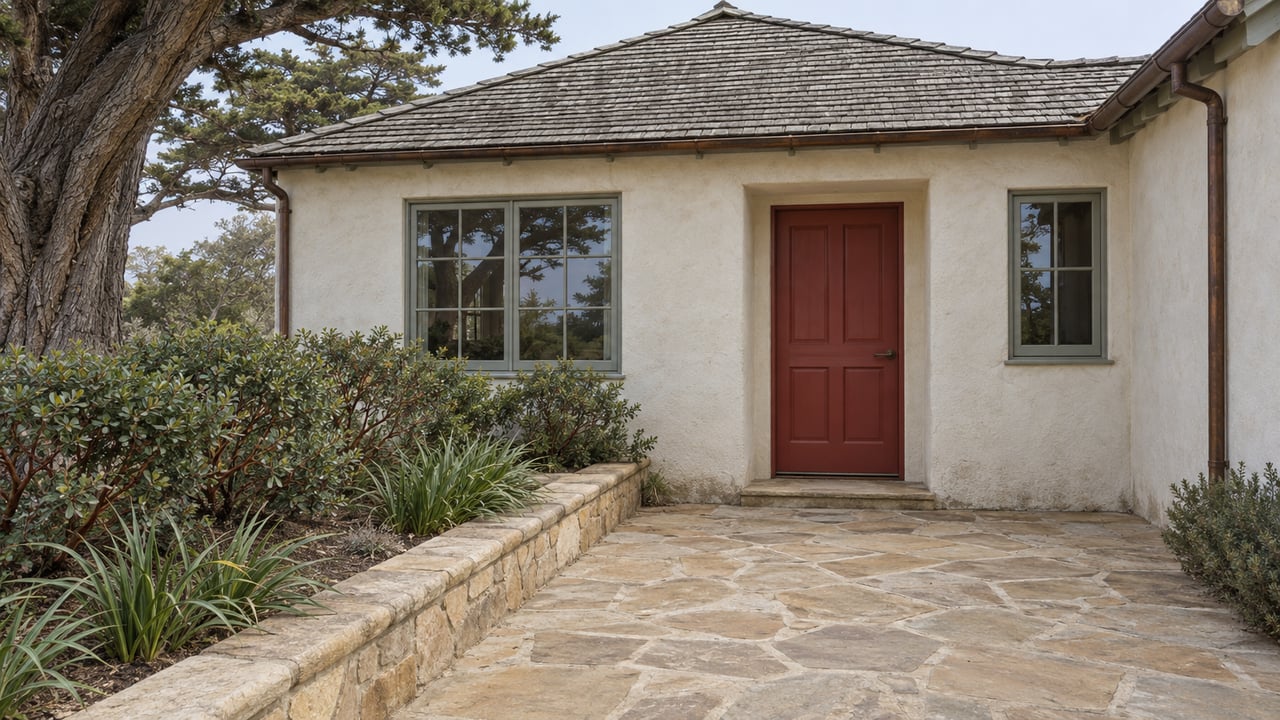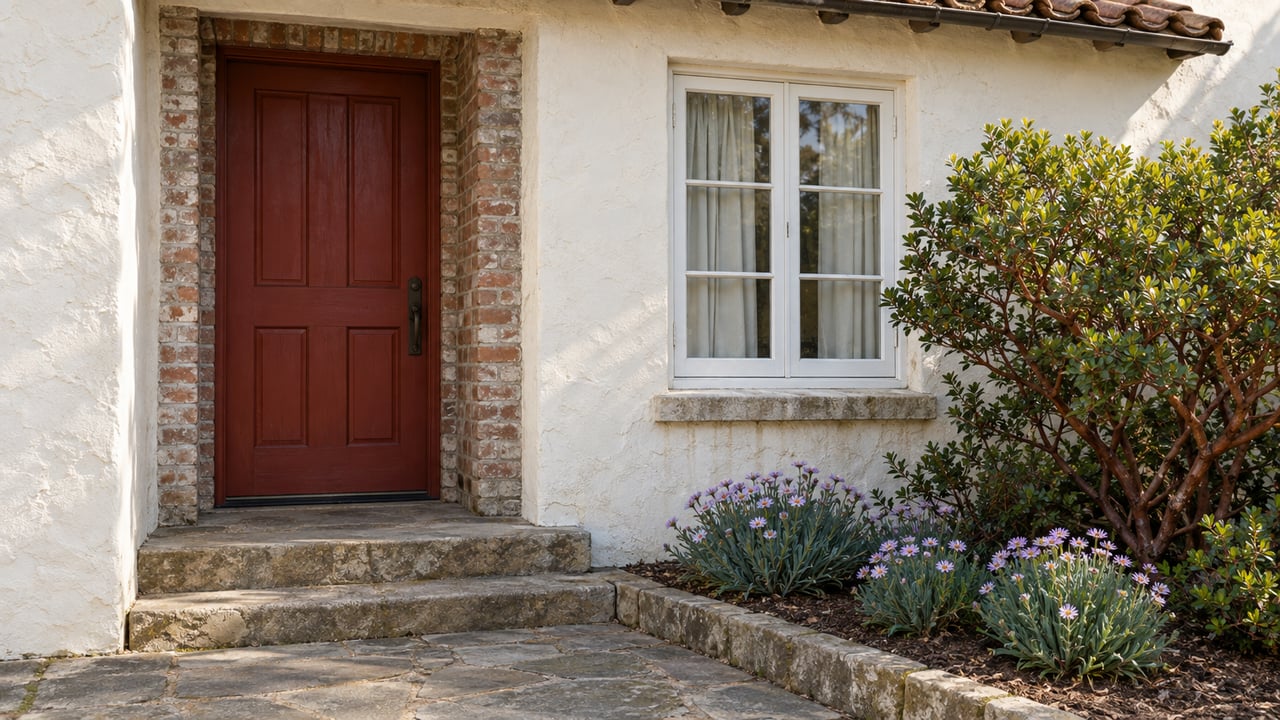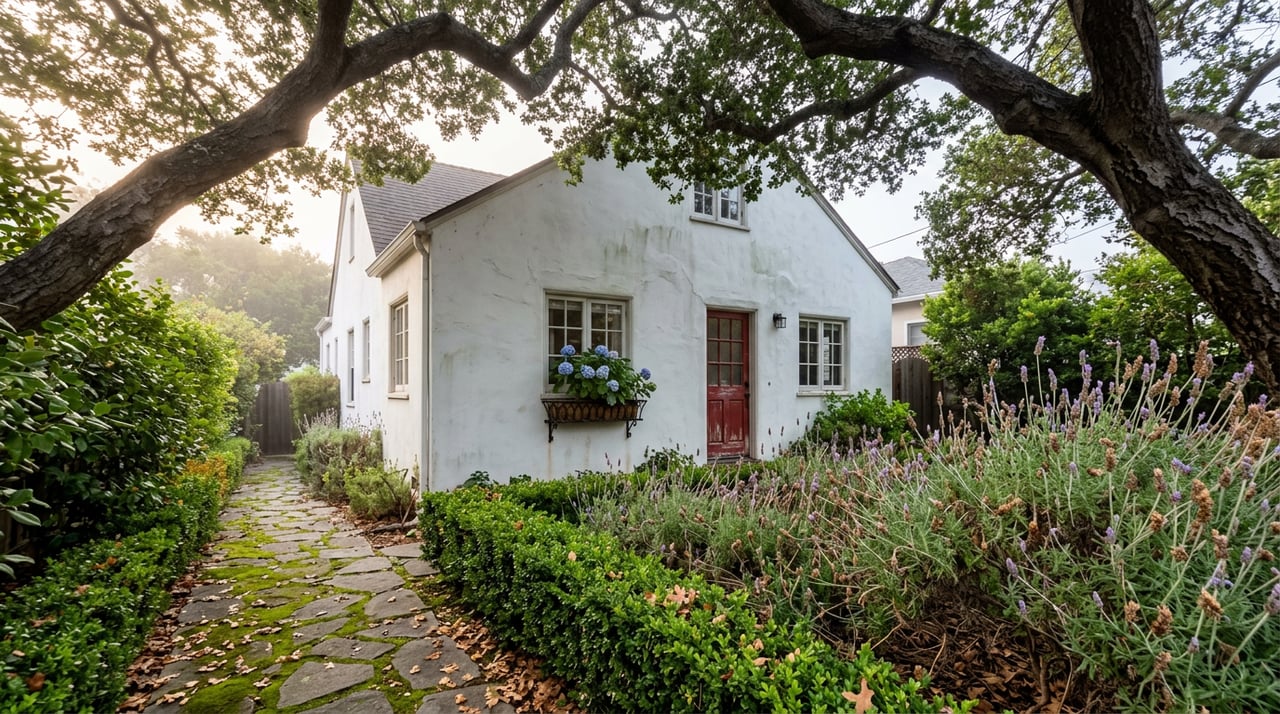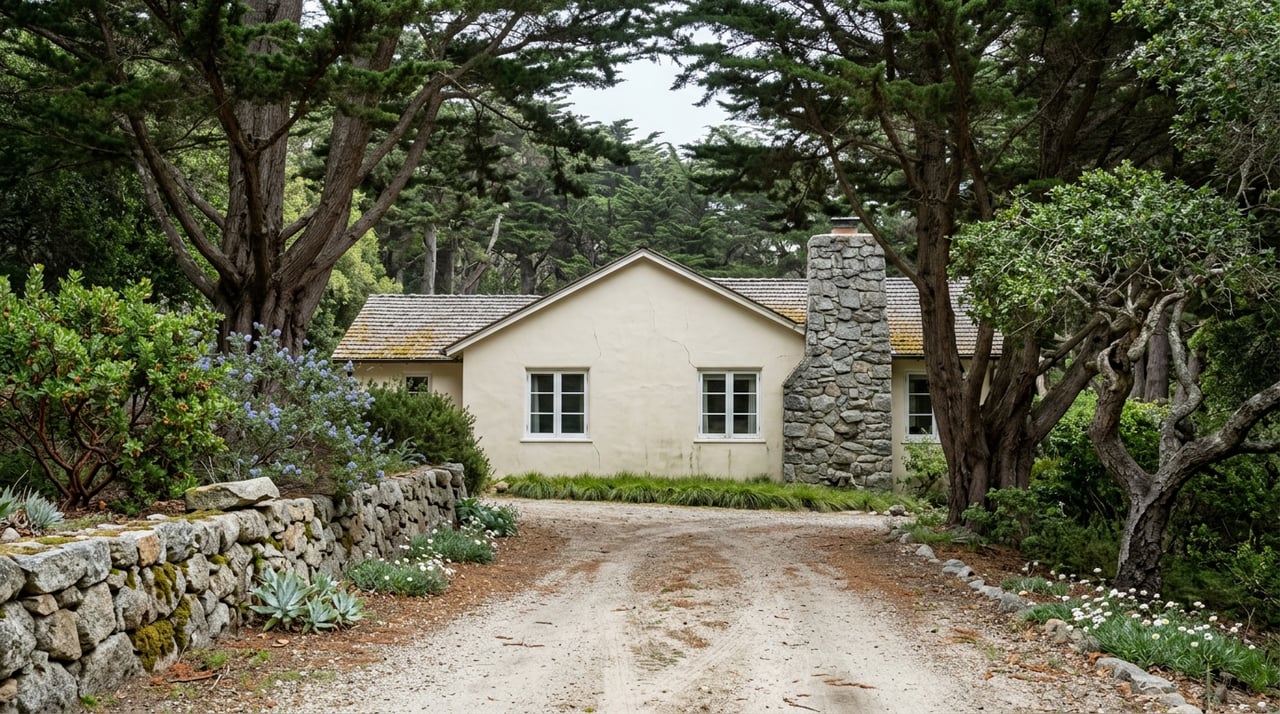
Two homes closed in Carmel Highlands within the same twelve months. Both sat on coveted, private streets. Both had real ocean exposure. One went into contract the day it hit the market. The other, a newly built residence finished in 2025, sat for 118 days and closed at $6,250,000, 17 percent under its original list price, working out to roughly $1,430 a square foot for a brand new home.
Same neighborhood. Same coastline. Wildly different outcomes.
The gap wasn't the view, the architecture, or even the price bracket. It was what sat behind the meter box and under the yard: whether the home had a legal, active water connection and a septic system a lender and a buyer's inspector could sign off on without a second round of questions.
That single variable, more than square footage or proximity to the water, is quietly setting the real price ceiling and floor for homes in Carmel Highlands right now.
An order from 2009 that still shapes what you can buy today
California American Water, the utility that serves Carmel Highlands, has operated under a cease and desist order from the State Water Resources Control Board since 2009, put in place after the state found Cal-Am had drawn more water from the Carmel River than it was legally allowed to. One of the practical effects has been a long standing freeze on new water service connections across the Peninsula, and Carmel Highlands properties are not exempt. A recent listing on Yankee Point Drive spells this out in plain terms, noting the parcel does not currently have a water meter because of that longstanding moratorium.
This isn't settled history. As recently as June 19, 2026, the State Water Board issued a Notice of Hearing to consider modifying that order, and it amended the notice on July 9, 2026 to update the schedule. The Monterey Peninsula Water Management District's board had voted the previous October to formally ask the state to modify, not lift, the restriction, a distinction that matters because a modification would still leave room for the state to reinstate the freeze if supply and demand triggers aren't met. As of this writing, the outcome is still working through official state channels rather than settled at the neighborhood level.
For a buyer or seller in Carmel Highlands, that means one of the most basic facts about a house, whether it has an active water meter, can't be assumed. It has to be verified.
The septic problem the Coastal Commission has already put on the record
Water access is only half of the picture. In a November 2025 staff report, the California Coastal Commission described Carmel Highlands directly as an area known for problematic septic systems, with many residences in need of replacement to keep effluent out of coastal waters. That characterization lines up with what shows up in individual permit files going back years: older leach fields on constrained, steeply sloped lots, several documented system failures over time
In practice, that means a septic inspection in Carmel Highlands often isn't a formality on the way to closing. It's frequently the item that determines whether escrow closes on schedule or extends for months while a buyer and seller work out who pays for what.
What actually separates the fast sale from the slow one
Put the two forces together and the two-speed market becomes easier to read. The Highlands home that sells quickly and at or near list price is almost always the one where a seller can hand a buyer clean answers before the first offer: an active Cal-Am meter with no gaps in service history, a septic system with a recent passing inspection or a documented replacement, and any water credits attached to the parcel confirmed as transferable.
The home that sits for months and closes at a discount is usually the one where those answers don't exist yet. That same Yankee Point Drive listing lays out two paths for a buyer to consider: wait for regional progress on meter availability, or pursue a private well through permitting and testing, the same route a neighboring owner has already taken. Both paths take time and money, and neither is guaranteed to work on a given lot. That uncertainty is exactly what shows up later as a lower closing price and a longer time on market. The 118 day, 17 percent under list sale on Spindrift Road tells the same story as a nearby Highlands land parcel that took 166 days and closed 2 percent under list. A separate Highlands land parcel closed in a single day, a reminder that when the paperwork on a lot is already clean, the timeline can look completely different.
Before you list: what to have ready
If you're preparing to sell in Carmel Highlands, the paperwork below does more for your price than another round of staging.
- Your current Cal-Am account status and meter history, confirming the connection is active and in good standing
- Documentation of any water credits tied to the parcel, along with written confirmation from the relevant water agency that they transfer with the property
- The septic system's age, most recent pump and inspection report, and any county notices tied to past failures or repairs
- If the property relies on a private well, the well completion report and a recent yield test
Buyers' agents and lenders will ask for these regardless. Having them ready before the first showing keeps a strong listing from stalling once due diligence begins.
For buyers: what a few words in a listing are actually telling you
Certain phrases in a Carmel Highlands listing are doing a lot of quiet work. Learning to read them saves time and negotiating leverage.
- "Water credits" often signals the parcel doesn't have an active meter, and you're inheriting a paperwork and timing question, not just a house
- "Well feasibility" means there's no proven water source yet, so budget for testing, permitting, and the possibility that a well isn't approved
- "Septic plan prepared" means the county hasn't approved a working system, only a proposal, and you're financing a plan rather than a functioning installation
None of this should be read as a reason to avoid Carmel Highlands. It's a reason to build extra time and a specific inspection scope into any offer here.
Why the scarcity cuts both ways
The same isolation that has kept development slow along Spindrift Road is part of why homes there have drawn film crews over the years, appearing in productions including Basic Instinct and HBO's Big Little Lies. Privacy is genuinely part of the product in Carmel Highlands.
But that scarcity has a cost. Because so few new water connections have been issued Peninsula wide since 2009, an existing, active meter on a Highlands parcel now carries real value on its own, separate from the house sitting on the lot. That's part of why two homes with similar finishes and similar views can price so differently. The infrastructure attached to the parcel, not the interior, is doing more of the work than most buyers expect walking in.
Frequently asked questions
Will the water moratorium be lifted soon in Carmel Highlands specifically? As of mid-2026, the State Water Board is reviewing a request from the Monterey Peninsula Water Management District to modify, not remove, the 2009 order. There's no neighborhood level exception in the works, and any change will come through the state process rather than a local announcement.
Does every home in Carmel Highlands have septic or water issues? No. Plenty of parcels have long established, active meters and septic systems in good standing. That's precisely why comparable homes on the same street can price so differently. Verified infrastructure is the differentiator buyers are quietly paying for.
Can I add an ADU or extra bedroom without addressing water first? Any project that increases water use tied to a zoning change or a new connection generally still falls under the restrictions the 2009 order covers. If an addition or ADU is part of your plan, confirm water and septic capacity before finalizing design, not after.
Carmel Highlands rewards buyers and sellers who do this homework early, and it can be unforgiving to those who don't. If you're weighing a purchase or preparing to list on Spindrift Road, Yankee Point Drive, or anywhere else in the Highlands, Susan Clark can walk you through exactly what a specific parcel's water and septic history means for your timeline and your price. Request Your VIP Listing Consultation to get a clear read on where a property actually stands before you write, or accept, an offer.
This article is general information, not legal, tax or financial advice. Consult a qualified professional about your situation.