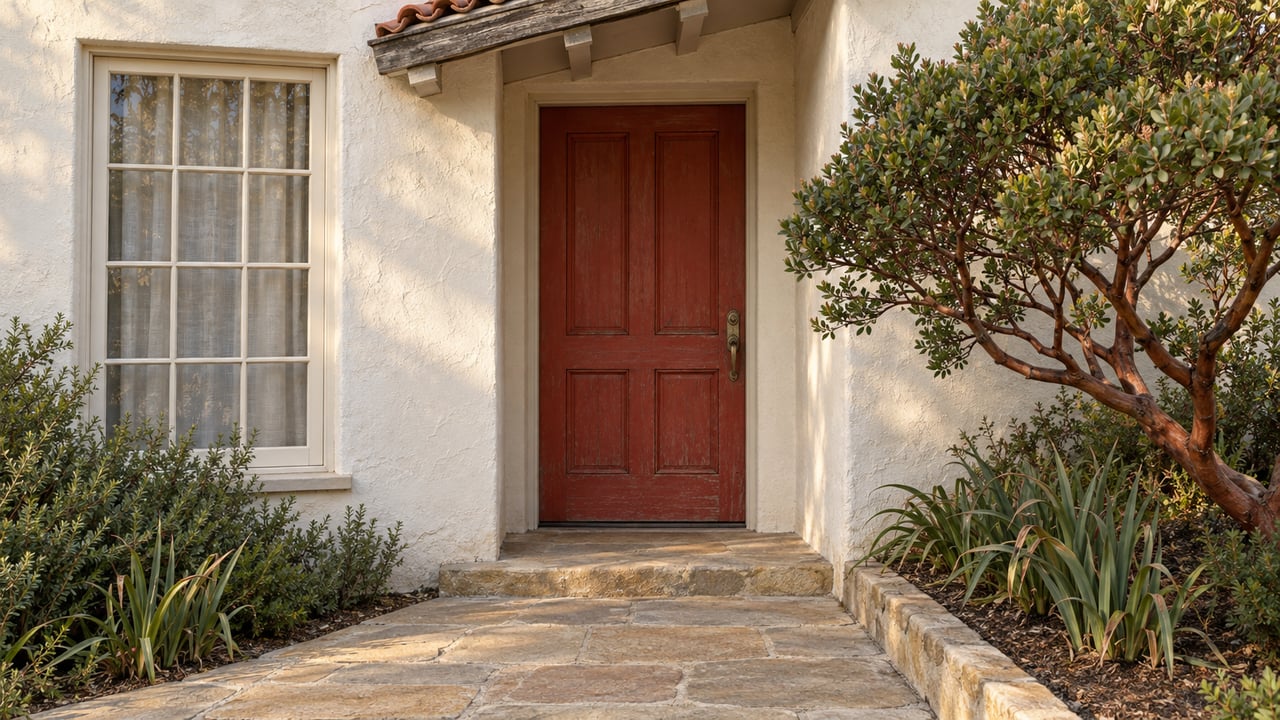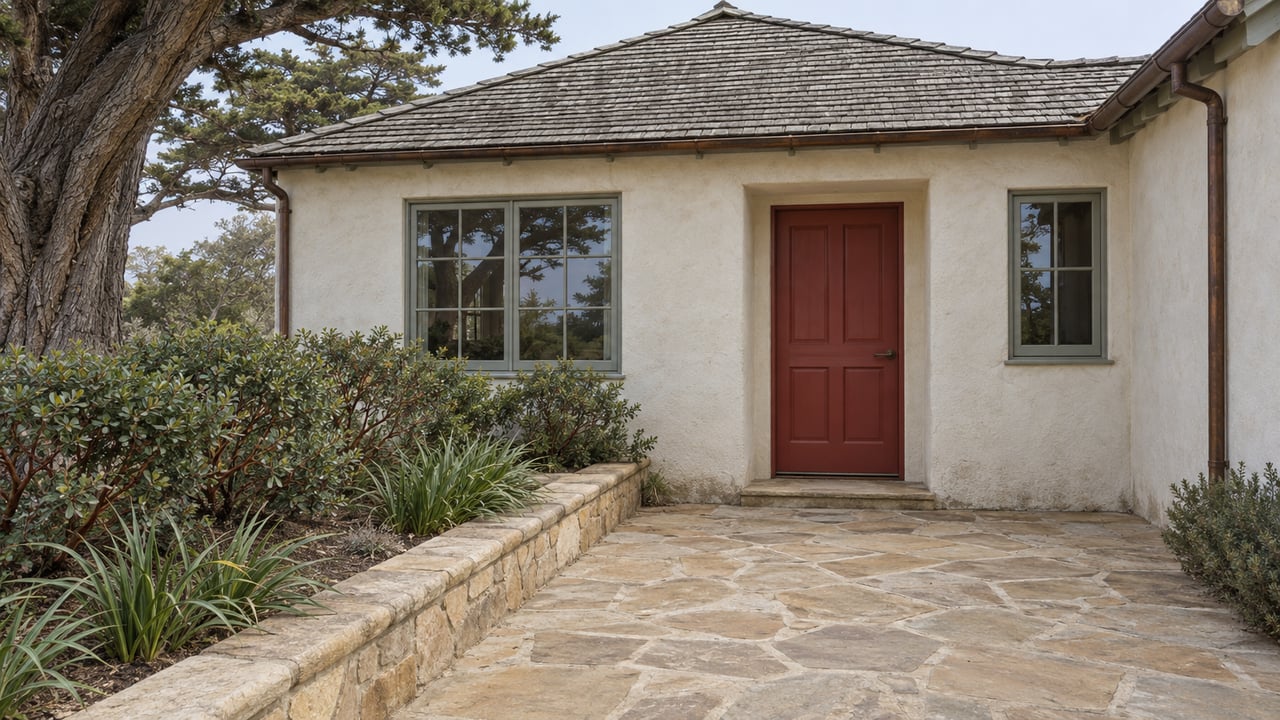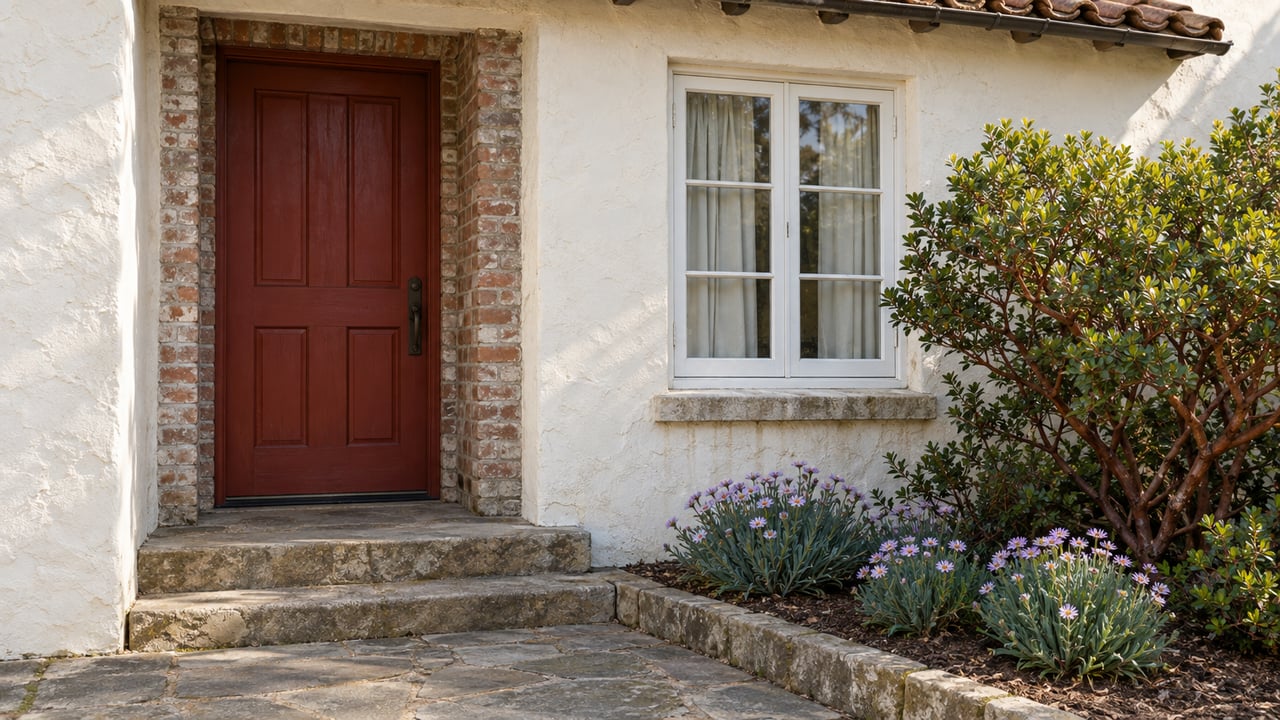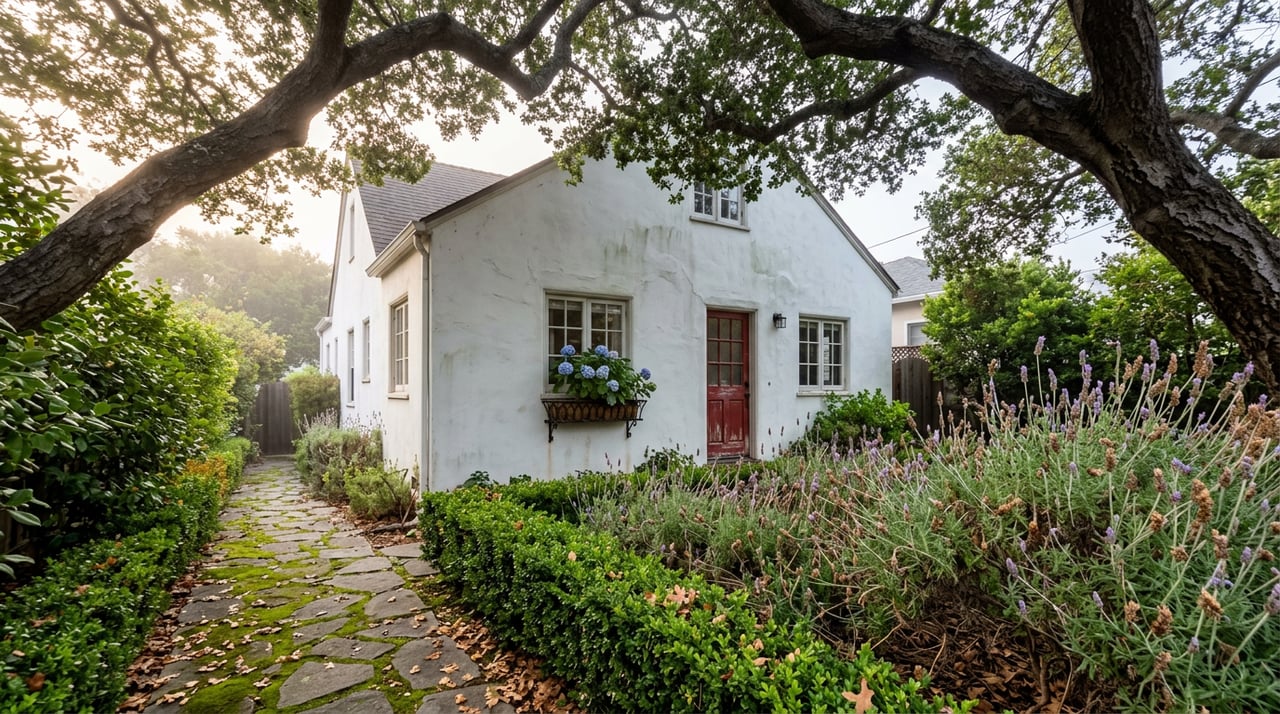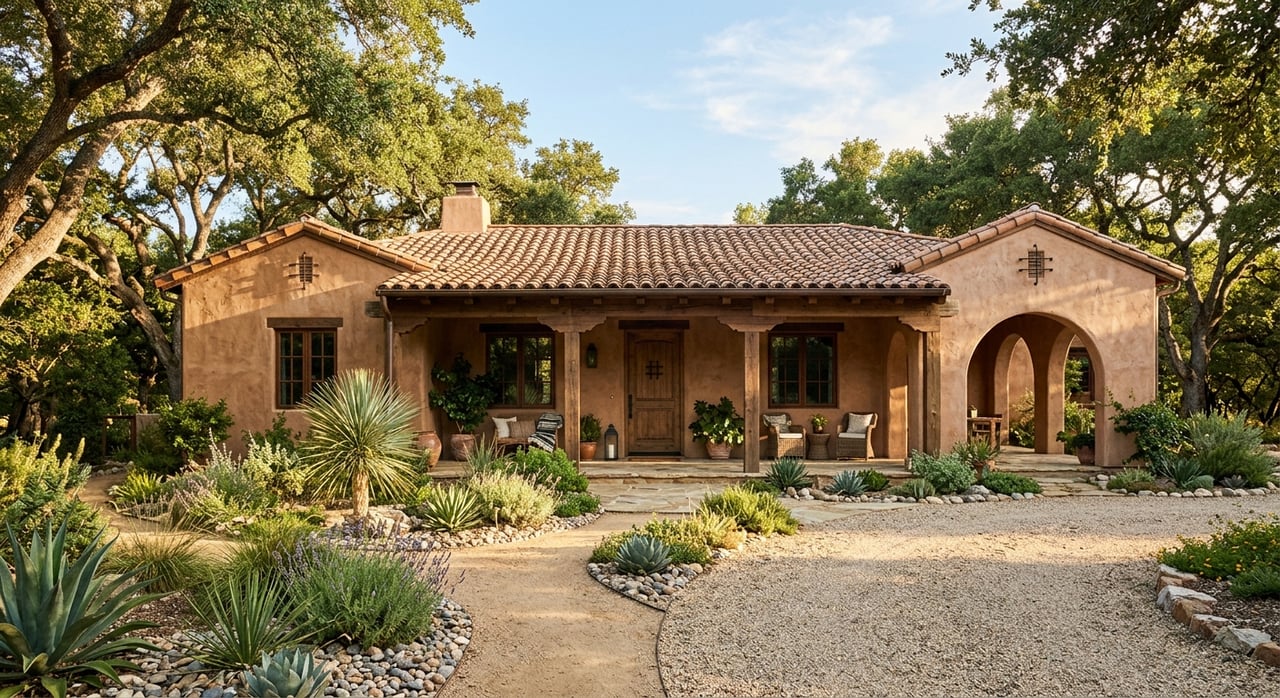
Trying to choose between Carmel and Carmel Valley can feel like picking between two versions of the Monterey Peninsula dream. Both offer beauty, privacy, and a strong sense of place, but they live very differently day to day. If you are deciding where to buy, the smartest move is to look past the postcard appeal and focus on how each area fits your lifestyle, comfort, and long-term goals. Let’s dive in.
Start With the Big Difference
The clearest way to compare these two markets is simple: Carmel-by-the-Sea is a compact coastal village with smaller lots, tighter design controls, and premium scarcity. Carmel Valley, including 93924, is an inland market with larger parcels, warmer weather, and a more spread-out, car-oriented rhythm.
That is not just a lifestyle impression. Local planning rules and current market data support that divide. If you understand that starting point, the rest of the decision becomes much easier.
Compare Climate Comfort
Carmel stays cooler and more moderated
If you love a coastal setting and do not mind cooler afternoons, Carmel may feel like home right away. NOAA climate normals show that coastal stations on the Monterey Peninsula average summer highs in the mid to upper 60s.
That marine influence shapes daily life. You may enjoy more temperate days, softer light, and a classic coastal feel that stays relatively mild through summer.
Carmel Valley runs warmer in summer
If sunshine and warmth matter more to you, Carmel Valley often has the edge. NOAA data shows summer highs there reaching the upper 70s to low 80s, which creates a noticeably different feel from the coast.
Annual rainfall is fairly similar in both places, at about 17 to 18 inches. In practical terms, the biggest climate difference is temperature, not precipitation.
Ask yourself how you want to feel at home
This is one of the most personal parts of the decision. If you picture yourself enjoying cooler coastal air and a village setting, Carmel may be the better fit. If you want sunnier afternoons, a warm patio, or a bright home office away from the marine influence, Carmel Valley may suit you better.
Look at Lot Size and Home Style
Carmel offers cottage and village scale
Carmel is defined by compact parcels and careful architectural oversight. The city is largely built out, and about half of its R-1 parcels are around 4,000 square feet. On sites of 4,000 square feet or less, maximum floor area is 45 percent of the lot size.
That helps explain why so many homes feel intimate and human-scaled. The city’s design guidance also emphasizes forest character, natural materials, wood-clad forms, and low-pitched roofs.
Design review is part of ownership in Carmel
In Carmel, exterior changes usually require design review. That matters if you are the kind of buyer who wants to remodel quickly or make visible changes with fewer steps.
For many buyers, this oversight is part of Carmel’s appeal because it helps preserve a cohesive architectural character. For others, it can feel like a constraint, especially if flexibility is a priority.
Carmel Valley offers more land and privacy
Carmel Valley follows a very different planning pattern. The county master plan includes low-density designations such as 5 acres per unit and 1 unit per acre in some areas, with growth intended to cluster near commercial cores while preserving rural character elsewhere.
In real life, that often means larger detached homes, more outdoor space, and a more estate-like or ranch-like feel. If you want room to spread out, host guests, or create more separation between house and neighbors, Carmel Valley may be the easier match.
Think About Your Daily Rhythm
Carmel supports a compact village lifestyle
Carmel has a more regulated and compact daily experience. Residential parking permits are limited, visitor parking is timed, and many exterior changes require review.
For the right buyer, that tradeoff is worth it. You get a tightly defined village environment shaped by local rules, beach access, and a strong sense of place.
Carmel Valley requires more driving
Carmel Valley lives on a wider footprint. The county’s master plan identifies several more developed areas near commercial cores, and public bus service has been available on Carmel Valley Road for decades, but the area still functions in a more car-dependent way.
Driving is simply part of life there. You will likely spend more time in the car getting between home, errands, dining, and other daily stops.
Access can shape convenience
The county plan also notes that Laureles Grade is steep and that slow-moving traffic can cause delays. That may or may not matter to you, but it is worth factoring into your routine if you commute or regularly cross the Peninsula.
If your ideal day includes walking through a compact village and keeping the car parked more often, Carmel may feel easier. If you are comfortable driving for space, privacy, and warmth, Carmel Valley may be the better trade.
Review Ownership and Rental Rules
Carmel has tighter short-term use limits
If second-home flexibility matters, local rules deserve a close look. In Carmel-by-the-Sea, transient rentals in the Single-Family Residential Zoning District may not be rented for less than 30 days.
That means Carmel is generally not the place to buy if your main goal is short-term rental use in a single-family neighborhood. Buyers there tend to be choosing lifestyle first, with ownership shaped by stricter local controls.
Carmel Valley has different county rules
In unincorporated Monterey County, homestays and limited vacation rentals are allowed countywide with no cap. Commercial vacation rentals, however, are capped by planning area and are prohibited in residential zoning districts within the Carmel Valley Master Plan.
The takeaway is that Carmel Valley may offer more flexibility than Carmel in some situations, but the rules are still highly location- and use-specific. If rental potential is part of your purchase strategy, this is an area where careful local guidance matters.
Compare Market Pace and Resale
Carmel shows stronger scarcity
Current market summaries point to a meaningful resale difference. In March 2026, Carmel-by-the-Sea was described as a seller’s market with 21 properties for sale, a median listing price of $4.185 million, and 49 median days on market.
That suggests a market driven by scarcity, premium pricing, and relatively faster turnover. If resale strength and limited supply are high on your list, Carmel has a compelling story.
93924 offers more choice and more negotiation room
In the same period, 93924 showed 65 properties for sale, a median listing price of $2.0375 million, and 121 median days on market. Homes were also selling for an average of 3.28 percent below asking.
For buyers, that can mean more inventory, more time to compare options, and more room to negotiate. For future sellers, it also points to a longer marketing runway and a buyer pool that may be more price-sensitive.
Use Four Questions to Decide
1. What climate feels best to you?
If you prefer cooler coastal conditions, Carmel likely fits better. If you want warmer afternoons and more sun, Carmel Valley usually has the advantage.
2. How much space do you want?
If you love cottage scale, compact lots, and a closely managed setting, Carmel delivers that in a distinctive way. If you want land, privacy, and a larger home footprint, Carmel Valley is usually the stronger fit.
3. How do you feel about driving?
If you want a more compact, village-centered lifestyle, Carmel may align better with your habits. If you are comfortable with a more car-based daily routine, Carmel Valley can reward you with more room and a different pace.
4. How patient are you about resale?
Carmel’s lower inventory and shorter days on market suggest a tighter resale environment. In 93924, buyers often have more leverage, and sellers may need a longer timeline.
Which Buyer Usually Chooses Carmel?
Carmel often appeals to buyers who want a coastal village feel and are comfortable paying a premium for scarcity, location, and character. It can also make sense if you value smaller-scale architecture, beach access, and a highly defined ownership environment.
This is often the higher-touch lifestyle purchase. You are not just buying square footage. You are buying into a specific kind of daily experience.
Which Buyer Usually Chooses Carmel Valley?
Carmel Valley often attracts buyers who want more sun, larger parcels, more privacy, and a less compressed residential setting. It also tends to appeal to people who want space for outdoor living, guest comfort, or simply a home that feels more removed from the coastal village pattern.
For relocation buyers, that can be especially appealing. A sunny workspace, room for a patio or pool, and a slower shopping pace can make 93924 feel more practical and more flexible.
If you are weighing Carmel against Carmel Valley, the right answer usually comes down to how you want to live, not just what looks best on paper. The good news is that both offer something special, and the better choice becomes clear once you match climate, space, driving habits, and resale goals to your real life. If you want a thoughtful, local perspective as you compare neighborhoods and property types across the Peninsula, Susan Clark is here to help.
FAQs
What is the main difference between Carmel and Carmel Valley for homebuyers?
- Carmel is a compact coastal village with smaller lots, stricter design oversight, and faster resale trends, while Carmel Valley offers warmer weather, larger parcels, and a more car-oriented lifestyle.
Is Carmel Valley warmer than Carmel in summer?
- Yes. NOAA climate normals show Carmel Valley reaching summer highs in the upper 70s to low 80s, while coastal Monterey Peninsula locations average in the mid to upper 60s.
Are homes in Carmel usually on smaller lots?
- Yes. Carmel is largely built out, and about half of its R-1 parcels are around 4,000 square feet, which supports its compact village scale.
Does Carmel have stricter design rules for homeowners?
- Yes. Exterior changes in Carmel usually require design review, and local guidance emphasizes natural materials, human scale, and a cohesive architectural character.
Is Carmel Valley more car-dependent than Carmel?
- Yes. Carmel Valley is more spread out, with homes, services, and commercial areas separated by greater distances, so daily life usually involves more driving.
Is resale faster in Carmel or in 93924?
- Carmel has shown faster resale conditions, with lower inventory and shorter median days on market than 93924 in the March 2026 market summaries.
Which area may offer more negotiation room for buyers, Carmel or 93924?
- 93924 may offer more negotiation room because it had more inventory, longer days on market, and average sale prices below asking in the reported market data.
Are short-term rentals allowed in Carmel and Carmel Valley?
- Rules differ. In Carmel, transient rentals in single-family residential zones may not be rented for less than 30 days. In unincorporated Monterey County, some vacation rental uses are allowed, but Carmel Valley rules vary by zoning and rental type.