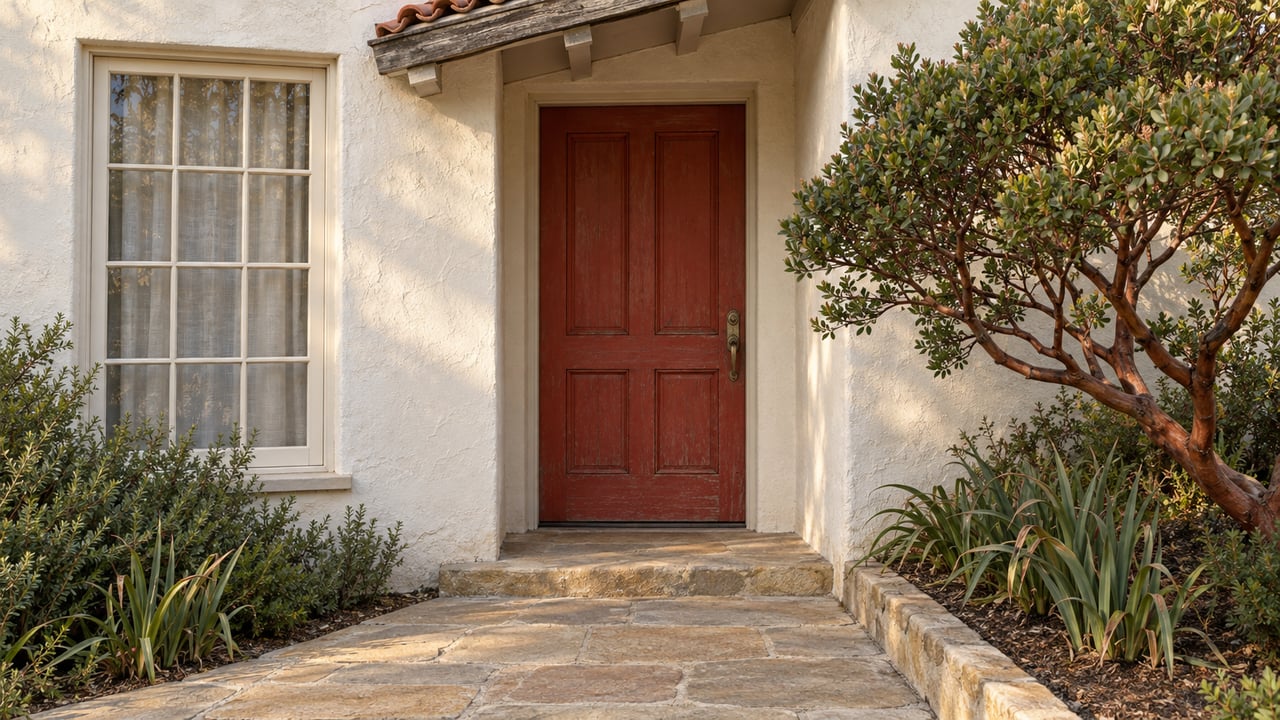
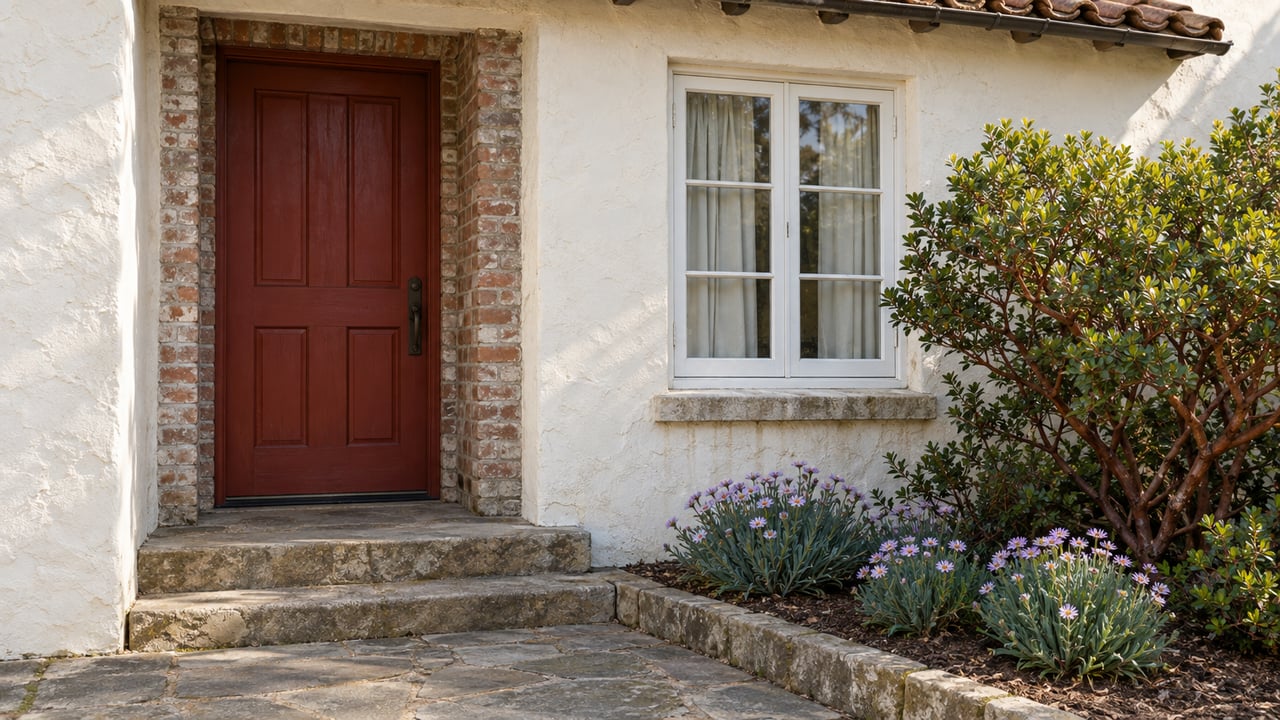
Thinking about relocating to Monterey should feel exciting, not overwhelming. If you are moving for work or a lifestyle change, the 93940 area offers walkable neighborhoods, coastal charm, and easy access to daily essentials. This checklist gives you a clear, step-by-step plan to secure housing, navigate transportation, set up utilities, and, if needed, buy a home remotely with confidence. Let’s dive in.
Monterey 93940 essentials
Monterey’s 93940 zip code includes Cannery Row, Fisherman’s Wharf, Old Monterey, and residential areas near the waterfront and downtown. The area is compact and highly walkable, with a coastal, maritime climate that often brings morning and evening fog in summer. This setting shapes daily life, from outdoor recreation to tourism patterns.
Housing types range from condos and townhomes to historic single-family homes and multiunit buildings. Inventory can be limited in popular neighborhoods, and prices tend to run higher than many inland California markets due to the coastal location and tourism demand. If you are considering a furnished or short-term stay, expect more competition in spring and summer.
The Monterey Peninsula is also home to notable healthcare options, including Community Hospital of the Monterey Peninsula and regional hospitals in Salinas. For families, the Monterey Unified School District serves central Monterey, with additional private options nearby. Check district enrollment and boundaries directly to understand school assignments for a specific address.
Choose temporary housing
If you are arriving before you buy or sign a long-term lease, set up a temporary base that fits your work and family schedule.
- Furnished corporate housing or extended-stay hotels for 1 to 3 months.
- Short-term furnished rentals through local property managers for stability.
- Vacation-style rentals in tourist areas if you need flexibility, but verify terms and availability.
When comparing options, consider proximity to your workplace or client sites, parking and building access, noise near busy visitor corridors, pet policies, and Wi-Fi reliability for remote work. Book early for summer and event weeks to avoid last-minute price spikes or limited options.
Rent first or buy now
If you are uncertain about timing, renting first can offer flexibility to explore neighborhoods in person. If you are ready to buy, a local agent can help you act quickly in a low-inventory market by arranging virtual tours and early showings. Remote buyers should plan for thorough inspections and realistic contingency timelines to protect their interests.
If you are watching for the right listing, set up VIP alerts so you can review new options as soon as they hit the market. Speed and preparation often matter in this coastal market.
Commute and transportation
Major corridors link Monterey with nearby cities, including routes that connect to Seaside, Marina, Carmel, and Salinas via CA 1 and CA 68, with access to US 101 farther inland. Traffic often increases during summer, weekends, and special events, and downtown streets can be narrow with limited parking.
Monterey-Salinas Transit provides local bus service within Monterey County and connections to surrounding communities. Monterey Regional Airport offers regional flights, while many residents drive to larger Bay Area airports for broad connections. Central neighborhoods are walkable and bike-friendly, which can reduce car use for daily errands.
If you plan trips to Silicon Valley or the broader Bay Area, expect 1.5 to 3 or more hours by car depending on destination and traffic. Many professionals rely on hybrid schedules rather than daily long-distance commutes.
Set up utilities and services
Plan utility activation before you arrive so your move-in day goes smoothly.
- Electricity and natural gas: Pacific Gas and Electric is the primary provider for much of Monterey County. Confirm service for your specific address and schedule activation 7 to 14 days ahead.
- Water: California American Water serves much of the Monterey Peninsula. Review any local conservation rules and start your account in advance.
- Trash and recycling: A franchised hauler such as Recology or a similar local provider handles pickup. Confirm service days and container guidelines with your address.
- Internet and TV: Availability can vary by street. Comcast Xfinity and AT&T are common options. If you work from home, verify upload and download speeds before you commit to a lease or purchase.
Administrative to-dos help complete your transition:
- Submit a USPS change-of-address 1 to 2 weeks before your move.
- Update your driver’s license, vehicle registration, and voter registration according to California timelines. Check local DMV office hours to plan your visit.
- Register pets as required by the city or county and review leash and licensing rules.
For buildings and downtown addresses, confirm any moving permits or loading zone reservations. If you are moving into a condo or HOA community, review move rules, elevator reservations, insurance requirements, and deposits.
Buy remotely with confidence
If your timeline requires a remote purchase, use a structured plan and clear checkpoints.
Pre-offer preparation
- Choose a local buyer’s agent experienced with remote clients and corporate transfers.
- Request virtual tours, detailed photos, floor plans, and neighborhood videos showing parking, traffic patterns, and nearby amenities.
- Align on your must-haves, budget, and desired timelines before touring.
Due diligence and disclosures
- Schedule essential inspections, including structural, pest, sewer, roof, and HVAC. Ask for inspectors who provide clear photos and actionable summaries.
- Review the Natural Hazard Disclosure for seismic, flood, fire hazard severity, and any coastal or tsunami considerations.
- For condos and townhomes, analyze HOA documents, CC&Rs, budgets, meeting minutes, and reserve studies for future costs or restrictions.
Contract timelines and contingencies
- Include earnest money, inspection, appraisal, and loan contingencies that reflect remote coordination needs.
- Typical California escrows run about 30 to 45 days, but timing is negotiable. Build in extra time for mobile notaries, wiring verification, and out-of-state funds.
- Confirm remote signing options early with your title and escrow teams.
Financing and appraisal
- Coordinate appraisal access and timing with the seller’s agent. Make sure your lender is familiar with local taxes and insurance needs.
- Plan for any additional documentation requests since remote files can add review time.
Post-contract planning
- Line up homeowner’s insurance, utility transfers, and internet installation to begin at or before closing.
- If you will arrive after closing, arrange key exchange, a locksmith if desired, and clear instructions for property access.
8-week move timeline
Use this timeline as a practical guide. Adjust for your start date and season.
6 to 8 weeks before
- Start your home search and reserve temporary housing, especially for summer.
- Connect with a local agent for neighborhood orientation and virtual tours.
- Research schools, healthcare providers, and commute routes.
- Check utility and internet availability for addresses on your shortlist.
3 to 4 weeks before
- Schedule utility activations for move-in or closing day.
- Submit USPS change-of-address.
- Book movers, confirm loading zones, and review any HOA rules.
- If buying, finalize inspections and remote signing logistics with escrow and title.
1 week before
- Confirm mover arrival windows, parking permits, and elevator reservations.
- Confirm keys or lockbox access if you will not attend closing in person.
- Pack essential documents, medications, and pet records in a carry-on box.
Moving day and first week
- Set up Wi-Fi first if you work remotely.
- Test utilities, update locks if preferred, and confirm mail delivery.
- Visit the DMV when required, register to vote, enroll children in school, and license pets.
Local tips for 93940 relocations
- Book temporary housing early during peak tourism months to expand your options.
- Verify the legality and permitted duration of any short-term rental you plan to use.
- Confirm internet speed and reliability before you sign a lease or close.
- Plan for limited parking and narrow streets near downtown on moving day.
- Review property taxes, any special assessments, and HOA rules before you offer.
Partner for a smoother move
You deserve a move that is organized, informed, and tailored to your goals. With deep, on-the-ground experience across the Monterey Peninsula and a high-touch approach to relocation, I can help you compare neighborhoods, secure the right temporary landing spot, and buy with confidence on your timeline. If you are planning a move to 93940, let’s connect and build your plan together. Reach out to Susan Clark to get started.
FAQs
What should I know about Monterey 93940 neighborhoods?
- 93940 includes walkable coastal areas like Cannery Row and Old Monterey, with a mix of condos, townhomes, historic homes, and multiunit buildings influenced by tourism and maritime climate.
How early should I book temporary housing in Monterey?
- Aim for 4 to 8 weeks in advance, especially for summer and event periods when demand and prices tend to rise.
Who provides utilities in Monterey 93940?
- Electricity and gas are commonly through Pacific Gas and Electric, water is often through California American Water, and trash service is provided by a franchised local hauler.
What are the main commuting options in Monterey?
- Residents often drive on CA 1 and CA 68, use Monterey-Salinas Transit for local bus service, and fly from Monterey Regional Airport for regional connections.
Can I buy a home remotely in Monterey?
- Yes. Work with a local agent, plan thorough inspections and disclosures, set realistic contingency timelines, and coordinate remote signing with your escrow and title teams.