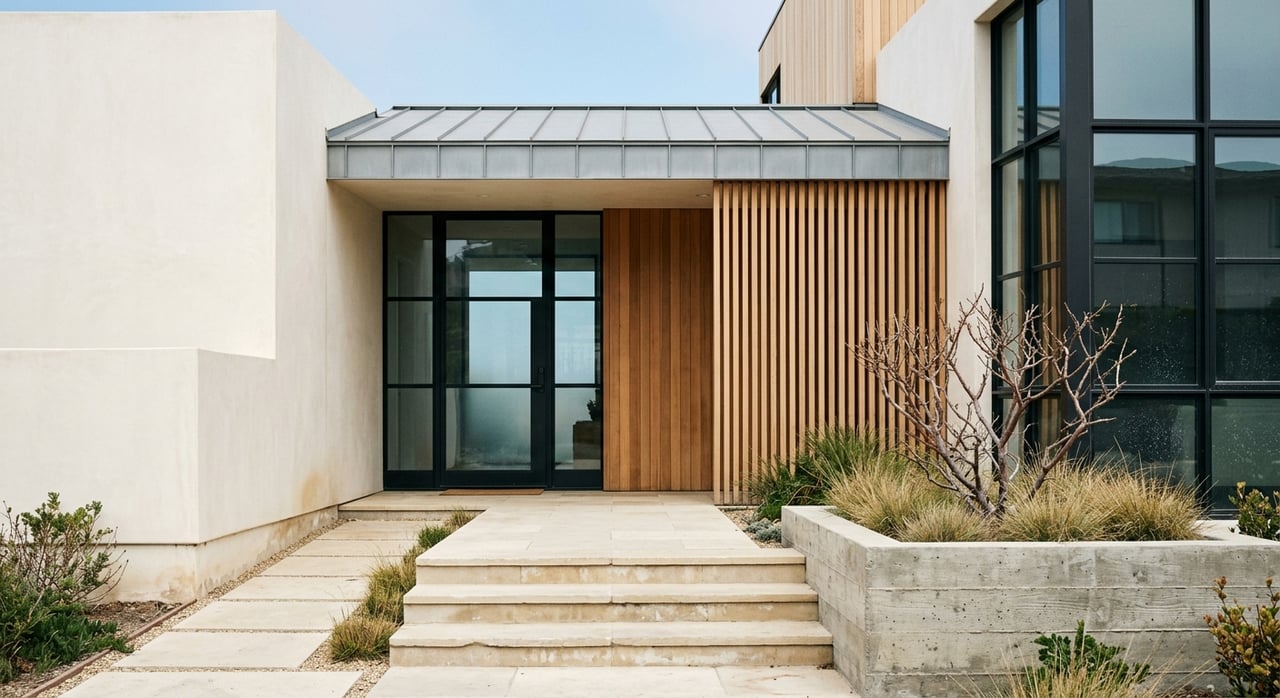
Choosing between a historic Carmel cottage and a contemporary home is not just about looks. In Carmel-by-the-Sea, architecture, lot constraints, design review, and long-term flexibility can all shape how a home feels to live in and what you can change later. If you are weighing charm against convenience in the 93921 market, this guide will help you compare the tradeoffs clearly and confidently. Let’s dive in.
Carmel’s Architectural Identity
Carmel-by-the-Sea has a highly distinctive residential character, and that matters when you shop for a home here. The city’s Historic Context Statement explains that early residential development was defined largely by Arts & Crafts and Carmel Vernacular design, with Hugh Comstock’s fairy-tale cottages and later modern homes also shaping the town’s story.
That mix is part of what makes Carmel so appealing. You are not simply choosing between old and new. You are choosing between two different ways of living within a place that strongly values design, scale, and the relationship between homes and the landscape.
What Defines a Historic Carmel Cottage
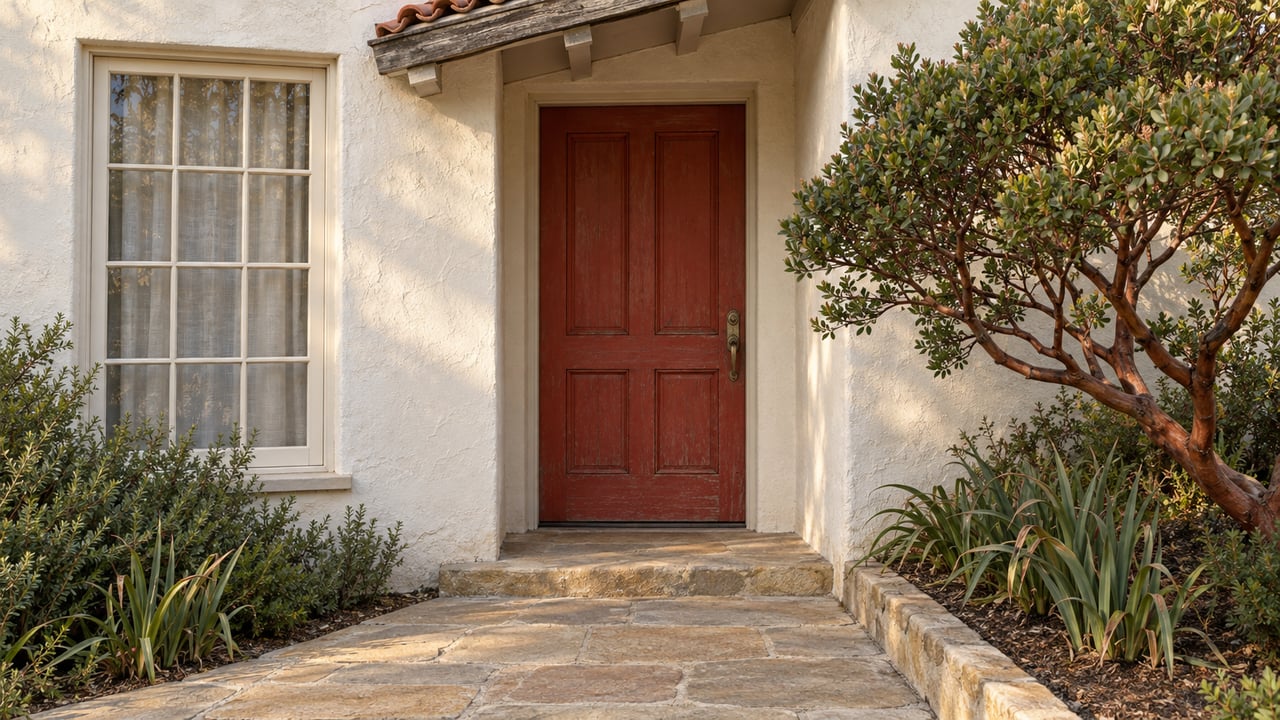
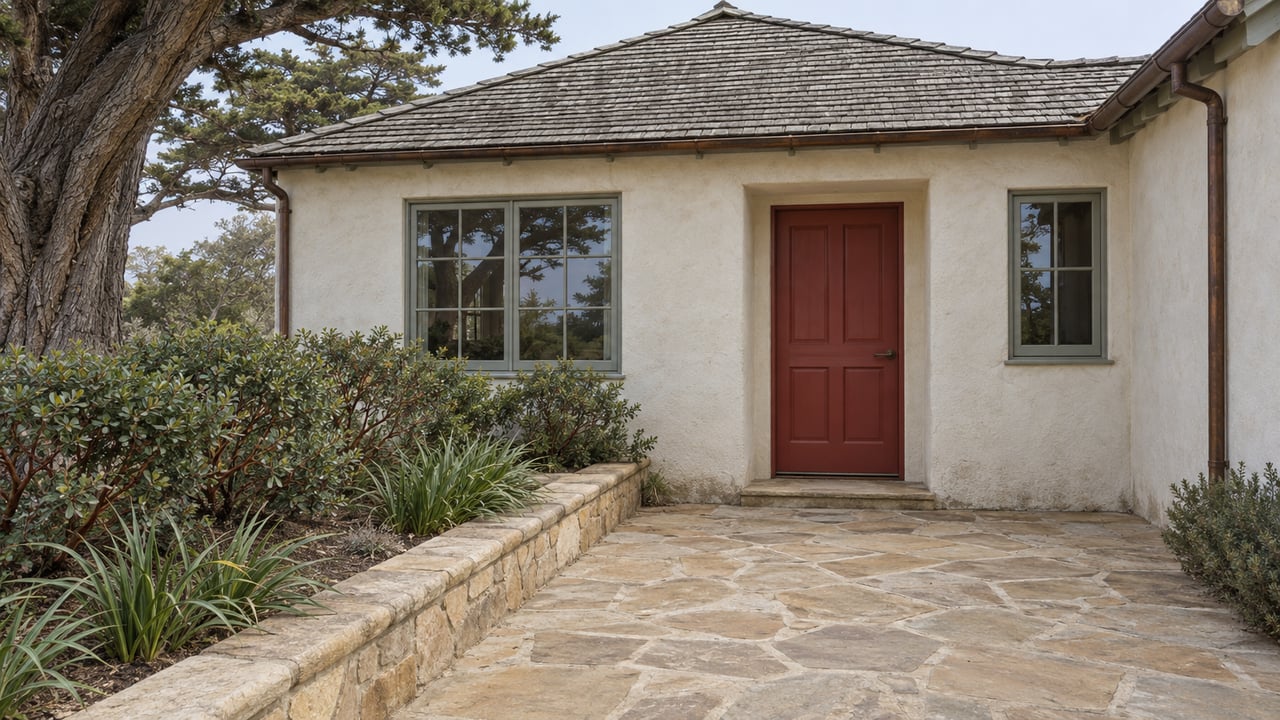
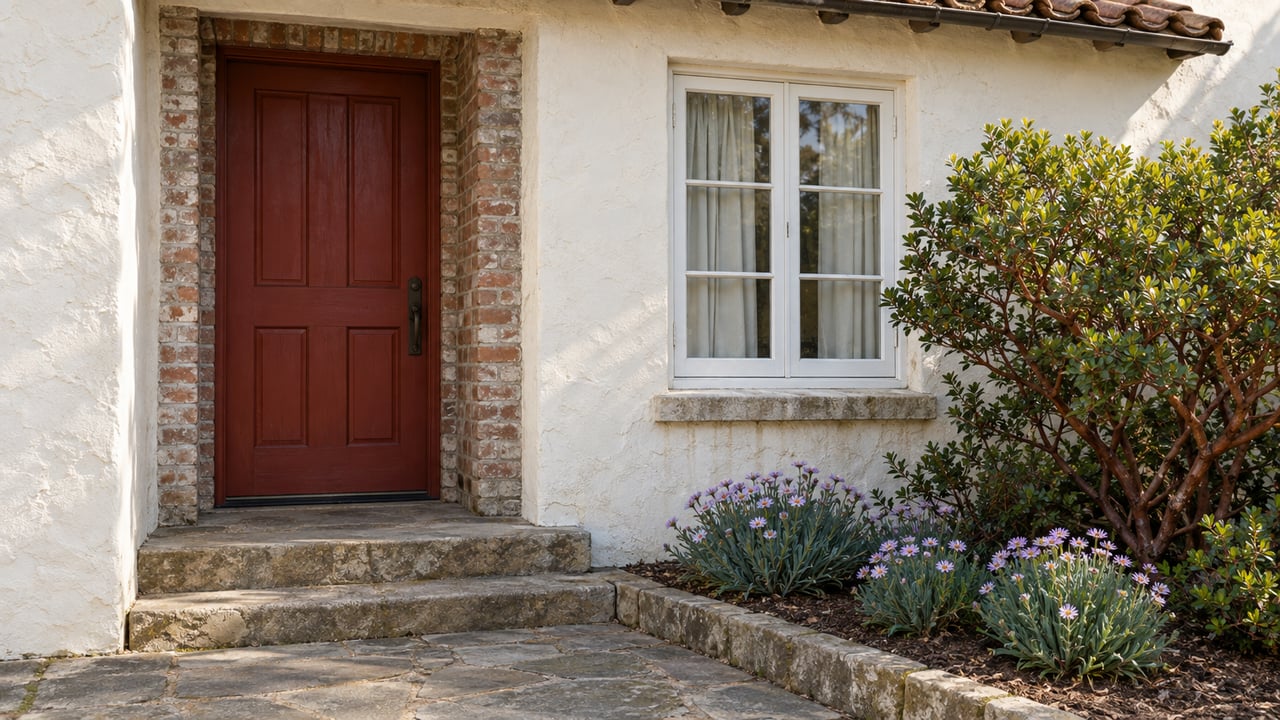
Historic cottages in Carmel are often modest in scale and designed to sit gently within the natural setting. According to the city’s historic context materials, these homes commonly feature low-pitched roofs, wide eaves, porches, wood or stone materials, and multi-pane wood windows.
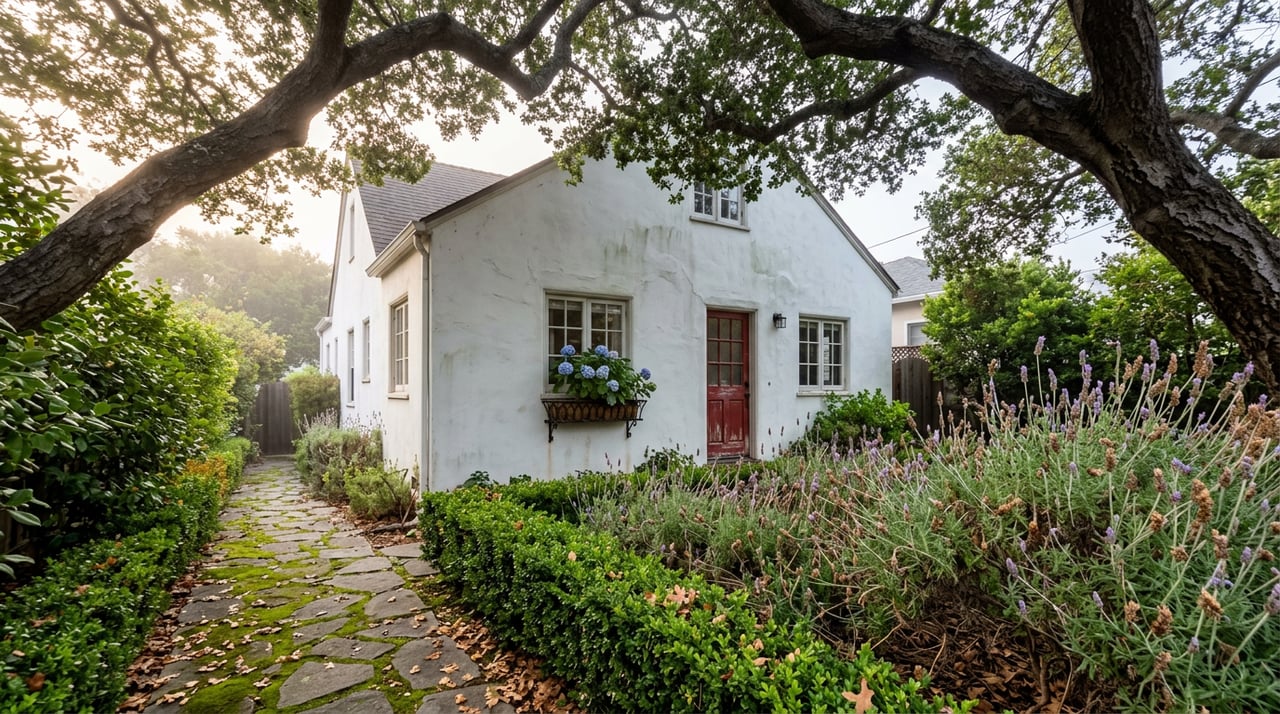
Many of these homes were built to blend into the pine forest rather than stand apart from it. The city also notes that historic homes were often only one or one-and-a-half stories, which helps explain why many cottages feel intimate, layered, and closely tied to their lot and garden setting.
Why Buyers Love Cottage Character
If you are drawn to authenticity, a historic cottage can be deeply compelling. Original materials, smaller-scale rooms, and a strong connection to Carmel’s architectural past often create a sense of place that newer construction cannot easily replicate.
For many buyers, that appeal goes beyond style. A cottage can offer rarity, a meaningful connection to Carmel’s preservation story, and a home that feels rooted in its surroundings.
What Defines a Contemporary Carmel Home
Contemporary homes in Carmel can look very different, but they are not outside the city’s design tradition. Carmel’s residential design guidelines specifically encourage diversity of styles and allow contemporary design when it respects the size, massing, scale, materials, and site relationships of earlier Carmel homes.
That means a newer home may still reflect local design priorities even if it uses a cleaner or more updated architectural language. The guidelines also favor simple roof forms and low eave lines, while flat roofs are allowed only in limited situations on smaller one-story structures.
Why Buyers Prefer Contemporary Homes
A contemporary home may better suit you if you want a more streamlined layout or anticipate future updates. In general, a newer home can offer a simpler path for remodeling than a historic property, although in Carmel you still need to account for design review, permit requirements, and site rules for exterior work.
This option often appeals to buyers who want fewer preservation-related constraints while still living in a home that fits Carmel’s overall scale and setting. The result can feel more flexible, especially if your priorities include modernized interiors, revised floor plans, or lower immediate maintenance demands.
Renovation Rules Matter in Carmel
One of the biggest differences between a historic cottage and a contemporary home is not visual. It is procedural. Carmel requires an historic-status evaluation before exterior alterations on older properties, and if a property is determined to be historic, consultant review and Historic Resources Board approval are required.
That process has real consequences for ownership. If a structure is historic, it cannot be demolished. The city’s preservation approach also aligns with National Park Service principles that emphasize regular maintenance, repair before replacement, and careful treatment of character-defining elements.
Windows, Materials, and Exterior Changes
For buyers considering a cottage, windows often tell an important story. Carmel’s planning guidance states that unclad wood windows with external divided lights are the local standard for traditional houses, vinyl is not appropriate, and window changes require approval, as noted in the city’s planning FAQs.
That does not mean a historic home is impractical. It does mean you should expect a more deliberate renovation process, especially if you want to change visible exterior features.
Lot Size and Buildable Envelope
In Carmel, the lot can be just as important as the house itself. Many residential parcels are compact, and the city’s rules on floor area, coverage, setbacks, and height can shape what is possible now and later.
The city’s R-1 floor area and site coverage handout says a 4,000-square-foot lot has 1,800 square feet of base floor area and 396 square feet of allowable impermeable site coverage, with a possible driveway bonus if enough coverage is permeable or semi-permeable. Garages and carports also count toward floor area.
Why the Same Size Can Feel Different
Two homes with similar square footage can live very differently in Carmel. An older cottage may leave more open space on the lot and feel more garden-oriented, while a newer home may use more of the allowable envelope and feel more fully built out.
Setbacks and height limits also influence that experience. The city’s housing element materials show common R-1 standards of roughly 15-foot front and rear setbacks and a 24-foot limit for two-story homes, though the exact standards depend on zoning, lot size, and lot shape.
Site Conditions Can Limit Expansion
What looks possible on paper may not be achievable on the ground. The city notes that steep slopes, significant trees, and unusual lot shapes can reduce what can actually be built.
If expansion is part of your long-term plan, this is a critical point. A contemporary home may appear more adaptable, but site conditions can still narrow your options in meaningful ways.
Lifestyle Fit and Resale Considerations
Historic cottages and contemporary homes often attract different types of buyers, and that matters for resale. Carmel’s preservation program treats historic resources as part of the city’s architectural and cultural identity, which can make a true cottage especially appealing to buyers who value authenticity, rarity, and neighborhood context.
At the same time, historic designation adds process and limits. A newer home may resonate more with buyers who want a cleaner path to updates and fewer preservation constraints.
There Is No One-Size-Fits-All Premium
Research on preserved districts is mixed. Some studies find a positive price effect, while others note tradeoffs tied to conservation and housing productivity, as discussed in this research summary.
In Carmel, resale is often less about a universal premium and more about buyer alignment. The strongest value usually comes when a home’s architecture, condition, and future possibilities match what the next owner wants most.
Questions to Ask Before You Buy
Whether you are leaning toward a storybook cottage or a more contemporary residence, a few early questions can help you avoid surprises.
- Is the home already on the city’s historic inventory, or is it over 50 years old and likely to require a historic evaluation before exterior work?
- How much of the lot’s floor area and site coverage has already been used?
- Are the windows, roof form, and exterior materials historically matched, or were they altered over time?
- Do slope, trees, or lot shape make expansion harder than it first appears?
- Would your future remodel likely trigger design study or review?
These questions can quickly clarify whether a home supports your goals, especially if you are balancing lifestyle, preservation, and renovation plans.
Which Home Type Fits You Best?
If you want a home with architectural personality, a strong sense of place, and ties to Carmel’s design history, a historic cottage may be the right fit. If you value a potentially easier update path, more modern living patterns, and fewer preservation-related hurdles, a contemporary home may better suit your needs.
The right answer often comes down to how you want to live in Carmel and what kind of stewardship you are ready to take on. If you want guidance comparing character, constraints, and long-term value in the Carmel market, Susan Clark offers the local perspective and high-touch support to help you make a confident decision.
FAQs
What makes a Carmel cottage historic?
- In Carmel, a cottage may be considered historic based on the city’s historic evaluation process, age, architectural character, and significance within the community’s development pattern.
What renovation limits apply to historic Carmel homes?
- Older properties may require a historic-status evaluation before exterior changes, and historic homes need consultant review and Historic Resources Board approval for certain work.
What design rules apply to contemporary homes in Carmel?
- Contemporary homes can be appropriate if they fit Carmel’s standards for size, massing, scale, materials, and relationship to the site and surrounding context.
What lot rules matter when buying in Carmel 93921?
- Floor area, site coverage, setbacks, height limits, slope, trees, and lot shape can all affect what exists today and what may be possible in the future.
What should buyers ask when touring a Carmel home?
- You should ask about historic status, prior exterior changes, remaining buildable envelope, site constraints, and whether future remodeling would trigger city design or historic review.