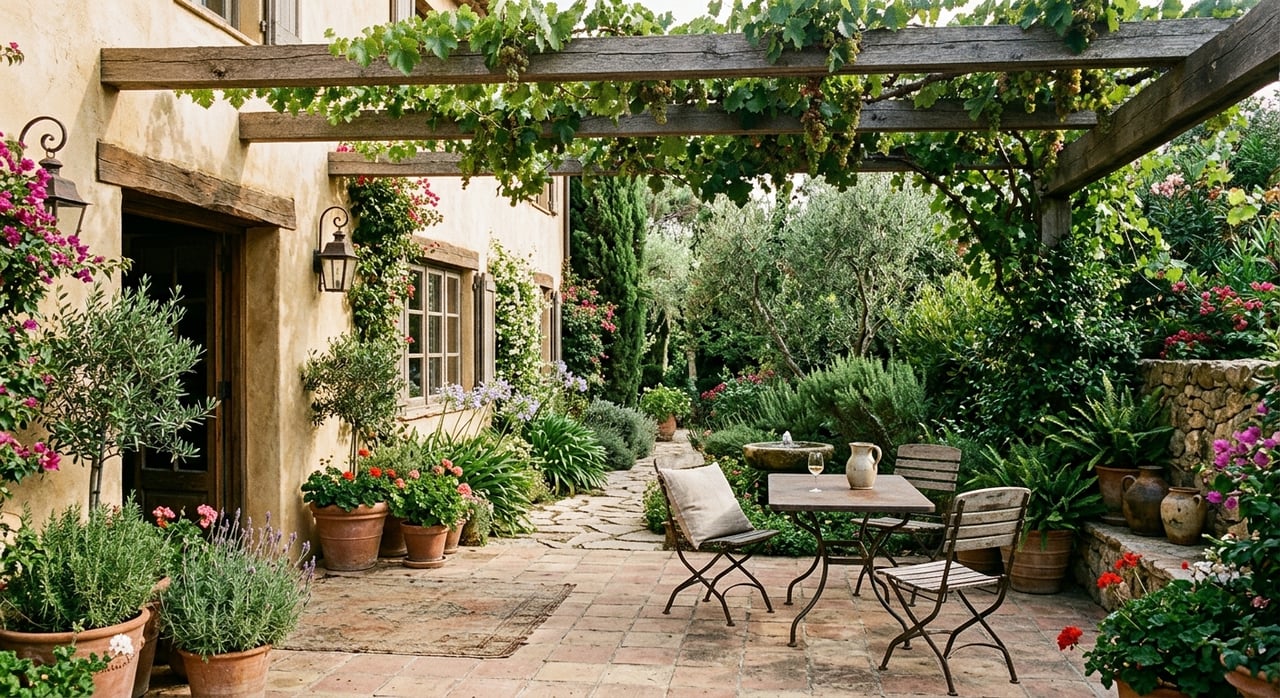
If you picture Monterey County living as all fog and ocean breeze, Carmel Valley may surprise you. Just inland from the coast, this part of the Peninsula offers a sunnier, more relaxed rhythm built around tasting rooms, open space, golf, and a strong connection to the land. If you are wondering what it is really like to live the wine country lifestyle in Carmel Valley, here is what sets it apart and why so many buyers are drawn to it. Let’s dive in.
Why Carmel Valley Feels Different
Carmel Valley Village sits inland from Carmel-by-the-Sea and Highway 1, and that location shapes everyday life in a very real way. A local village guide places it about 12 miles from the coast, while area destinations like The Quail describe the valley as being on the sunny side of the Monterey Peninsula and Santa Lucia Preserve notes its setting above the coastal fog. That inland position gives Carmel Valley its own identity.
In practical terms, that often means warmer temperatures than the coast. The National Weather Service forecast for the region regularly shows Carmel Valley trending slightly warmer than Monterey on the same day, which reflects the local inland-versus-coast temperature gap. For many buyers, that difference becomes part of the lifestyle appeal right away.
A Walkable Wine Country Hub
One of Carmel Valley’s biggest draws is that the wine country experience is not tucked away in a remote rural setting. In and around Carmel Valley Village, a local walking guide shows a compact cluster of tasting rooms, restaurants, inns, services, and art spaces. Instead of feeling like one short commercial strip, the village functions more like a walkable lifestyle hub.
That setup makes it easy to enjoy an afternoon without getting back in the car every hour. You can move from a tasting room to dinner, browse local shops or galleries, and take in the relaxed pace that defines the village core. For buyers looking for a wine country feel with convenience, that is a meaningful advantage.
Wine Tasting Is Part of Daily Life
Carmel Valley’s wine identity is long established, not a recent trend. Bernardus opened the first tasting room in Carmel Valley in 1994, helping shape the village’s reputation as a destination for wine lovers. Today, several tasting experiences are woven directly into the village setting.
Well-known stops include Bernardus, Holman Ranch at 18 W Carmel Valley Road, and Joyce Wine Co. at 1 E Carmel Valley Road. Because these destinations are part of the local fabric, wine tasting here feels less like a special event and more like an easy extension of everyday living. That is a big part of what people mean when they talk about the Carmel Valley lifestyle.
Outdoor Living Comes Naturally
The lifestyle in Carmel Valley is not only about food and wine. It is also about space, scenery, and having easy access to the outdoors. For buyers who want an active routine, the valley offers a strong mix of recreation close to home.
At Garland Ranch Regional Park, you will find hiking, horseback riding, and limited mountain biking across varied landscapes that include Carmel River banks, oak savannas, maple canyons, redwood areas, and waterfall trails. Nearby Palo Corona Regional Park adds even more scale, with 10,000 acres and more than 500 plant species. This combination supports a lifestyle that feels connected to nature without requiring a major weekend getaway.
Golf and Wellness Shape the Area
Golf is a real pillar of life in Carmel Valley. It is not simply an occasional amenity. It is part of the area’s everyday appeal, especially for buyers who want recreation and relaxation built into their surroundings.
The Quail offers an 18-hole par-71 championship course along with wellness amenities. Carmel Valley Ranch combines a Pete Dye-designed bentgrass golf course with pools, tennis, pickleball, a spa, and 179 spacious suites. Santa Lucia Preserve adds a Tom Fazio course, which reinforces how deeply golf and resort-style living are tied to the valley’s character.
For some buyers, that means a second-home destination with easy leisure options. For others, it means finding a full-time home where wellness, recreation, and beautiful surroundings are part of the weekly routine. Either way, Carmel Valley stands out for the breadth of those offerings.
Equestrian Living Is Real Here
In many markets, horseback riding is more of a niche feature than a true lifestyle option. Carmel Valley is different. Equestrian use is part of the area’s real-world amenity base, which matters to buyers looking for land, trails, and horse-friendly settings.
Santa Lucia Preserve highlights equestrian facilities and horse-friendly trails, while Garland Ranch permits horseback riding. Carmel Valley’s local directory also lists Stonepine’s Carpe Diem Riding Academy on East Carmel Valley Road. Taken together, those details show that riding is not an afterthought here. It is part of how some residents actively enjoy the landscape.
What Homes Feel Like in Carmel Valley
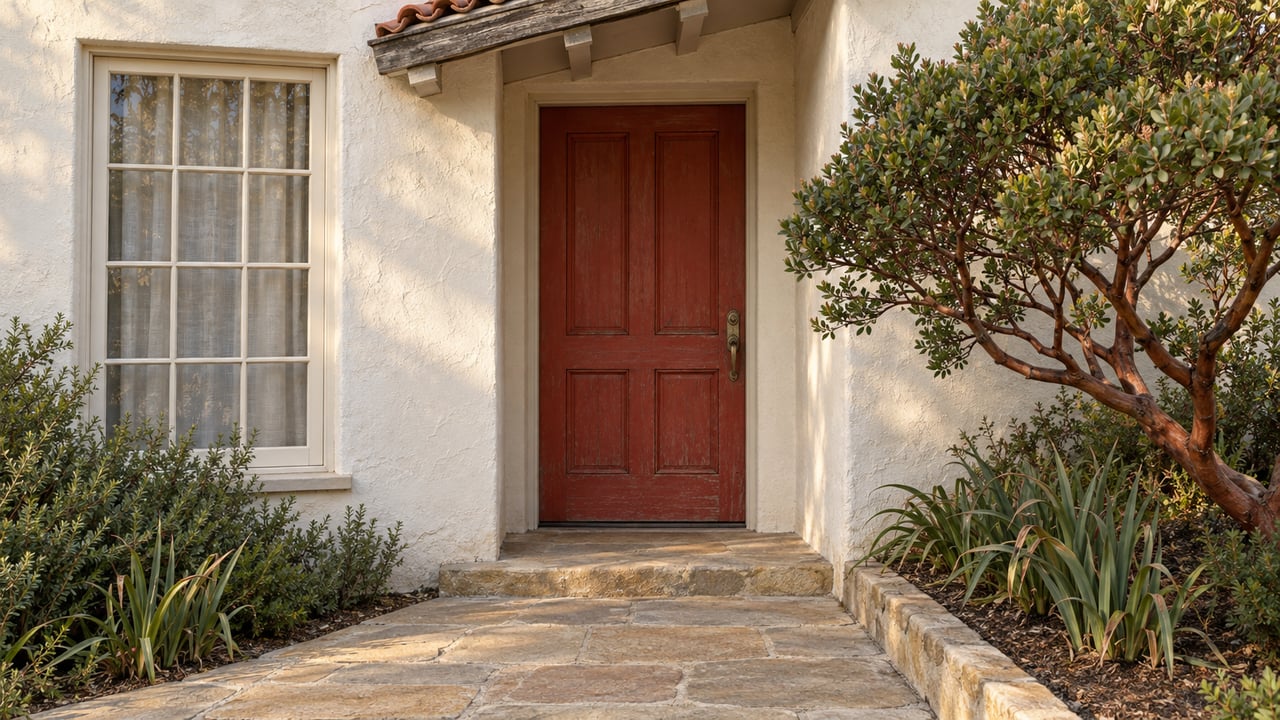
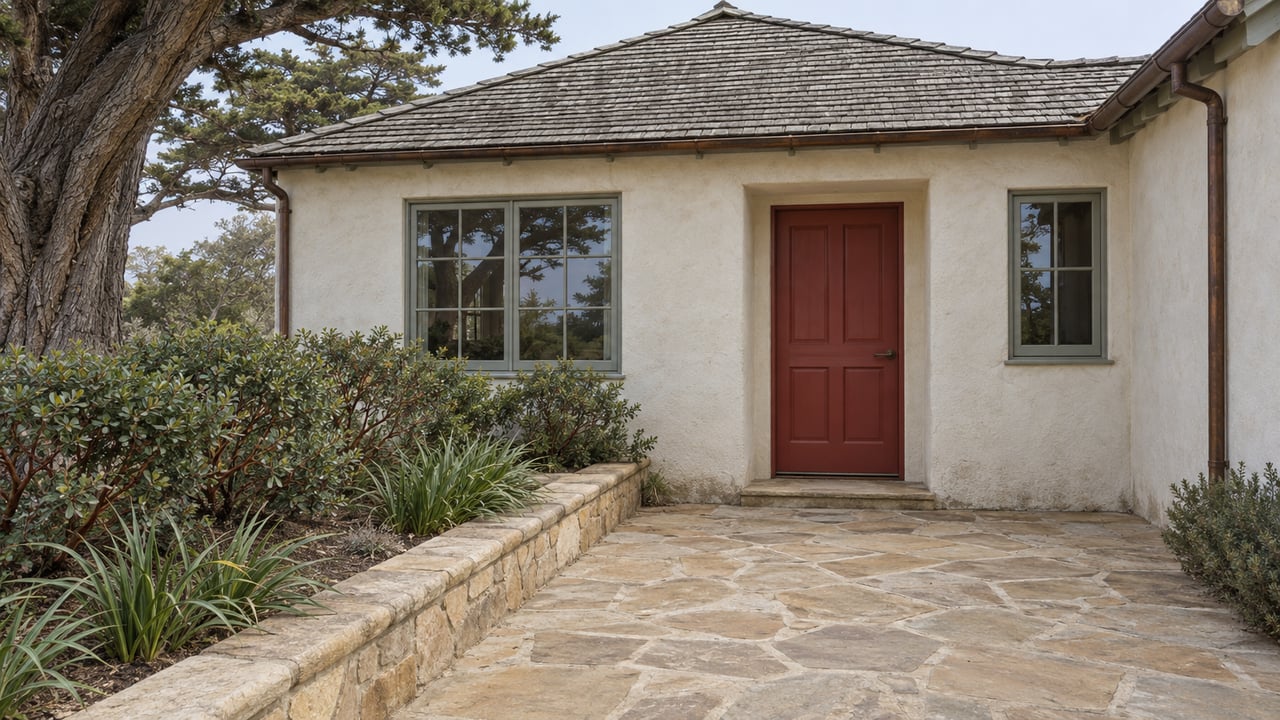
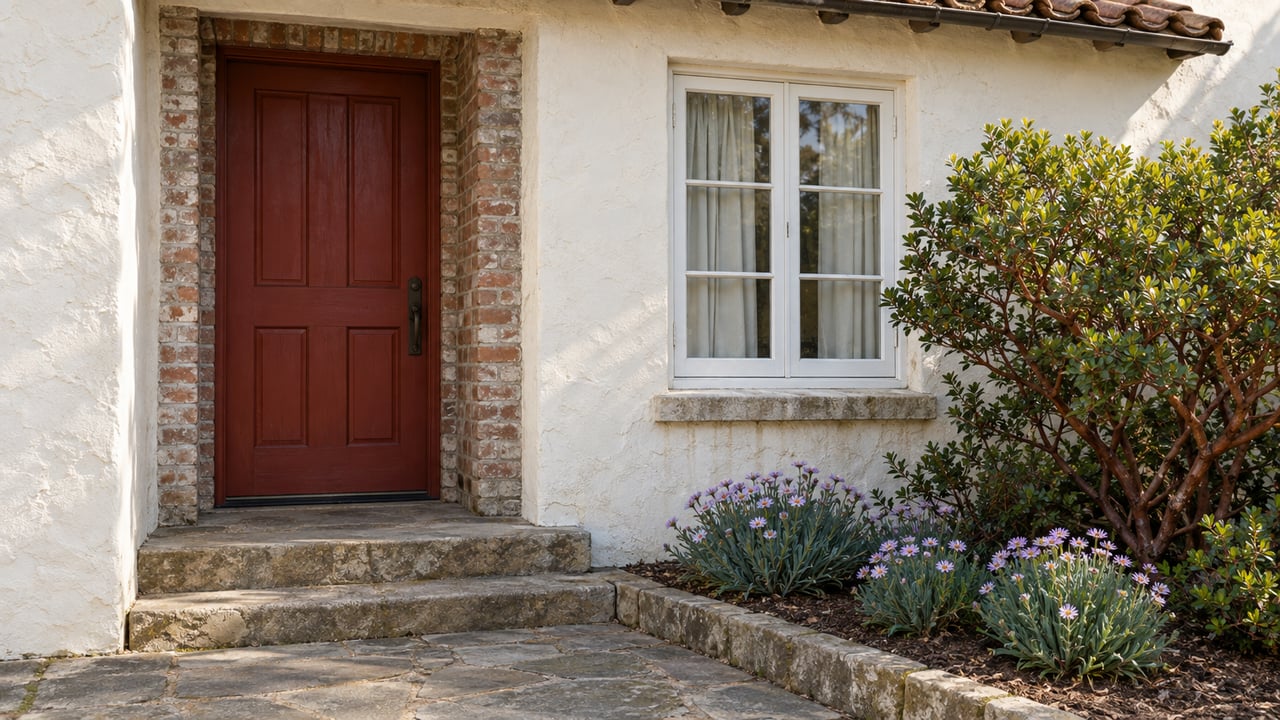
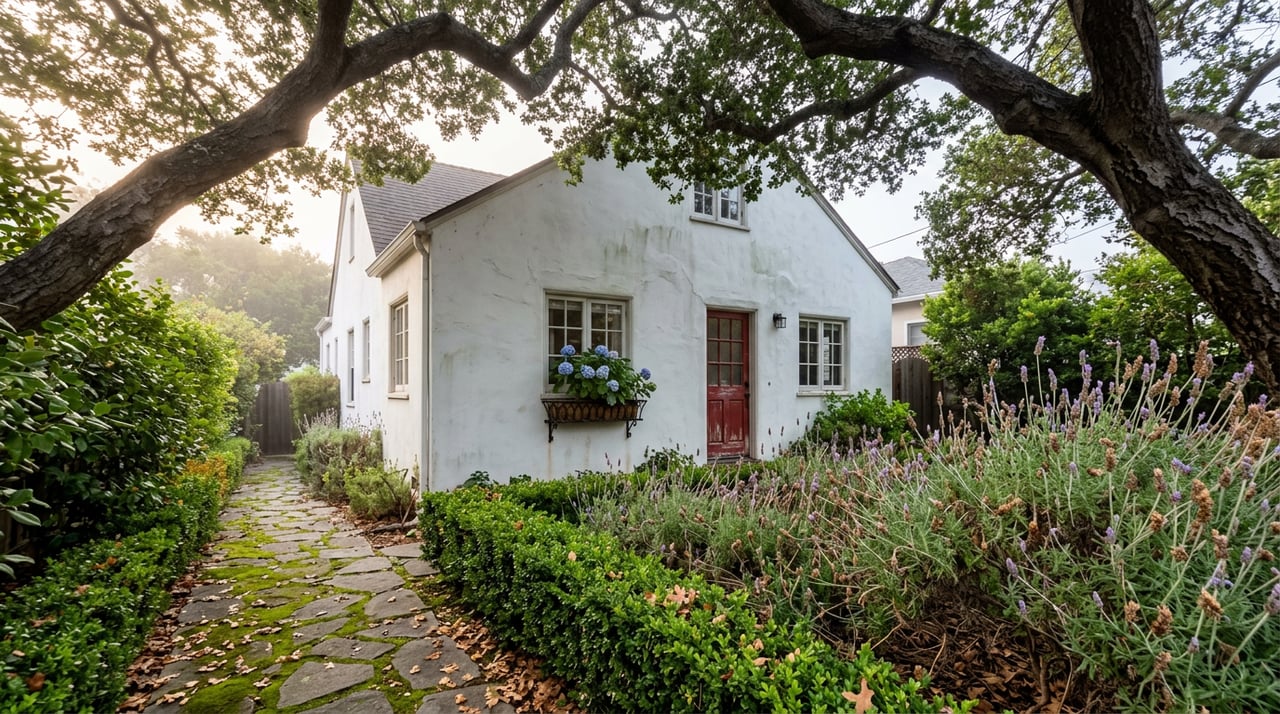
Carmel Valley offers more than one housing experience, and that variety is part of its appeal. Monterey County planning materials describe Carmel Valley Village as a concentrated commercial core with nearby moderate-density residential uses that transition into a more rural periphery. In simple terms, you have a compact village center surrounded by quieter, more spacious residential edges.
That pattern gives buyers options depending on how they want to live. Some are drawn to homes near the village for easier access to dining, wine tasting, and day-to-day services. Others prefer the privacy, acreage, and tucked-away feel that become more common as you move farther out along Carmel Valley Road.
Space, Privacy, and Resort Settings
Along Carmel Valley Road, the housing stock tends to lean toward larger parcels, more privacy, and club or resort-oriented settings rather than dense subdivision living. That is part of what makes the area feel distinct from more compact coastal neighborhoods. Buyers often come here specifically for breathing room.
The scale of several local communities helps tell that story. Tehama includes 90 homesites across more than 2,000 acres, with homesites ranging from 3.5 to 25 acres. Santa Lucia Preserve spans 20,000 acres with 297 homesites and significant permanently preserved land, while Carmel Valley Ranch and The Quail add resort-centered residential context to the broader market.
For buyers, this often translates into a clear lifestyle tradeoff in a good way. You may gain more sun, more space, and stronger access to recreation while still being close enough to Carmel-by-the-Sea and Monterey for dining, shopping, and cultural outings.
Who Is Drawn to Carmel Valley
Carmel Valley often appeals to buyers who want the Monterey Peninsula lifestyle with a different daily rhythm. If you love the coast but want more warmth, more land, or easier access to golf, hiking, and wine tasting, the valley can feel like a natural fit. It also appeals to people looking for a second home that feels relaxed and destination-worthy without being isolated.
For relocation buyers, the area offers a useful mix of serenity and accessibility. You can enjoy a more rural or resort-oriented setting while still staying connected to the broader Peninsula. That balance is one reason Carmel Valley continues to attract interest from buyers who want lifestyle as much as they want a home.
Why Lifestyle Matters in Your Home Search
In Carmel Valley, real estate is closely tied to the way you want to live. A home here may be about morning sun instead of marine layer, walkable wine tasting instead of city traffic, or trail access and golf instead of a more urban routine. Those choices are personal, and they shape which part of the valley feels right for you.
That is why local guidance matters. Understanding the difference between village-adjacent living, larger-lot properties, preserve settings, and resort-oriented communities can help you narrow your search with much more confidence. If you are exploring Carmel Valley as a primary home, second home, or relocation move, working with someone who understands those lifestyle distinctions can make the process much more focused.
If you are considering a move in Carmel Valley or anywhere on the Monterey Peninsula, Susan Clark offers the local insight and personalized guidance to help you find the right fit for your goals and lifestyle.
FAQs
Is Carmel Valley warmer than the Monterey coast?
- Yes. Because Carmel Valley sits inland and above much of the coastal fog, the National Weather Service forecast often shows it running slightly warmer than Monterey on the same day.
Is Carmel Valley Village walkable for dining and wine tasting?
- Yes. The Carmel Valley Village walking guide shows a compact cluster of tasting rooms, restaurants, inns, services, and art spaces in the village core.
What kinds of homes are common in Carmel Valley?
- Buyers will find a mix of homes near the village core, larger-lot estates, preserve-style communities, and resort-adjacent properties, with a general pattern of denser uses near the village and more rural settings farther out.
Is Carmel Valley a good fit for active buyers?
- Yes. Carmel Valley offers hiking, horseback riding, golf, and wellness-focused amenities through places like Garland Ranch Regional Park and The Quail.
What makes Carmel Valley different from Carmel-by-the-Sea?
- Carmel Valley offers a more inland lifestyle with warmer weather, more open space, wine-country amenities, and many larger-lot or resort-oriented housing options, while still staying within easy reach of the coast.